Why Your Raised Beds Aren’t Thriving in Colorado (And How to Fix Them)
A Front Range Soil Expert’s Guide to Healthy, Productive Raised Bed Gardens
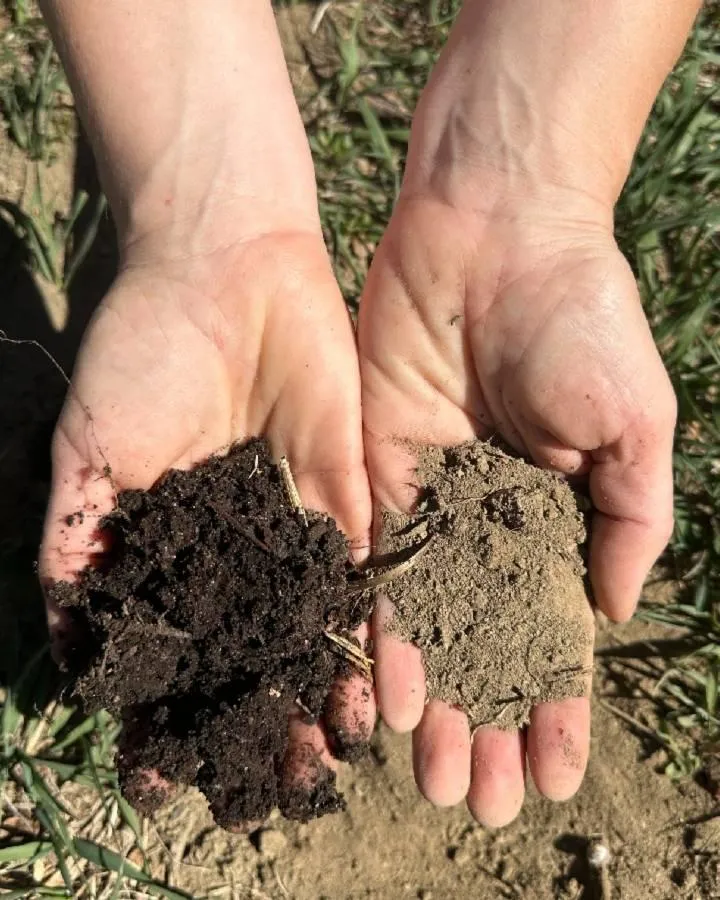
If your raised beds look rich and dark but your plants still struggle, stall, or attract pests, you’re not alone. This is one of the most common problems I see in raised bed vegetable gardens across Fort Collins, Loveland, Windsor, and the Colorado Front Range.
Maybe your plants take off in spring, then fade by midsummer.
Maybe the soil looks great on top but forms hard chunks underneath.
Maybe you’ve been told you “just need more compost,” but every year, things seem to get worse instead of better.
After running dozens of soil tests throughout Northern Colorado, one truth is clear:
Raised beds in Colorado aren’t failing because they lack nutrients.
They’re failing because the soil is out of balance.
This imbalance comes from a unique combination of factors specific to our region — and it means Colorado gardeners need a different approach than what they see on YouTube, Pinterest, and gardening blogs from other climates.
Why Colorado Gardening Needs a New Soil Paradigm
Much of the gardening advice online comes from the Pacific Northwest, East Coast, or Midwest — regions with:
acidic soils
regular rainfall
leaf-based compost
lower mineral loads
natural nutrient flushing
But Colorado is not the PNW.
And our soil — even in raised beds — behaves differently.
Colorado Raised Bed Soil Is Naturally:
alkaline
high in calcium and magnesium
easily overloaded with compost
rarely flushed by rain
low in organic matter but high in minerals
prone to compaction and clods
On top of this, most raised bed mixes sold in the Front Range rely on:
manure-based composts
mushroom compost
fortified “raised bed” blends
nutrient-dense yard mixes
bagged soils enriched with bone meal or kelp meal
These materials start out extremely rich in phosphorus and potassium — far richer than soils in wetter climates.
So when gardeners keep adding compost each year (as most advice recommends), their raised beds become more and more imbalanced.
The result?
stalled mid-season growth
nutrient lockout
yellowing leaves
poor fruiting
compacted soil that forms large clods
water that sits on the surface instead of absorbing
increased pest pressure from stressed plants
This is not a failure of gardening skill.
It’s a mismatch between Colorado soil realities and outdated gardening advice.
Colorado gardening needs a new soil paradigm — one focused on balance, structure, and micronutrients, not endless compost.
And the first step is understanding what’s really happening in raised bed soil here on the Front Range.
The Hidden Problem in Colorado Raised Beds: Compost-Heavy, Pre-fertilized Mixes
Most Colorado raised beds are filled with soil that looks rich and healthy. But beneath the surface, the nutrient profile is often extremely unbalanced — and it’s the number-one reason raised beds fail in the Colorado Front Range.
Whether gardeners buy bulk “raised bed mix” from a soil yard or fill a new bed with bagged soil from a garden center, nearly all of these mixes have something in common:
They start very high in major nutrients before a single plant is added.
Common raised bed ingredients in Northern Colorado:
dairy or cow manure compost
fortified “raised bed” blends
bagged soils enriched with bone meal, kelp meal, or chicken manure
These ingredients work well in wetter, nutrient-limited climates.
But here along the Front Range, they quickly overload the soil.
Why these mixes cause problems in Colorado
They’re already high in phosphorus.
They’re already high in potassium.
They add calcium and magnesium to already mineral-rich soils.
They raise pH in a region where pH is already high.
They don’t break down the same way as leaf-based composts used in other states.
Our dry climate doesn’t flush excess nutrients out.
This combination creates a nutrient profile that looks “rich” but performs poorly.
What Colorado Soil Tests Reveal Again and Again
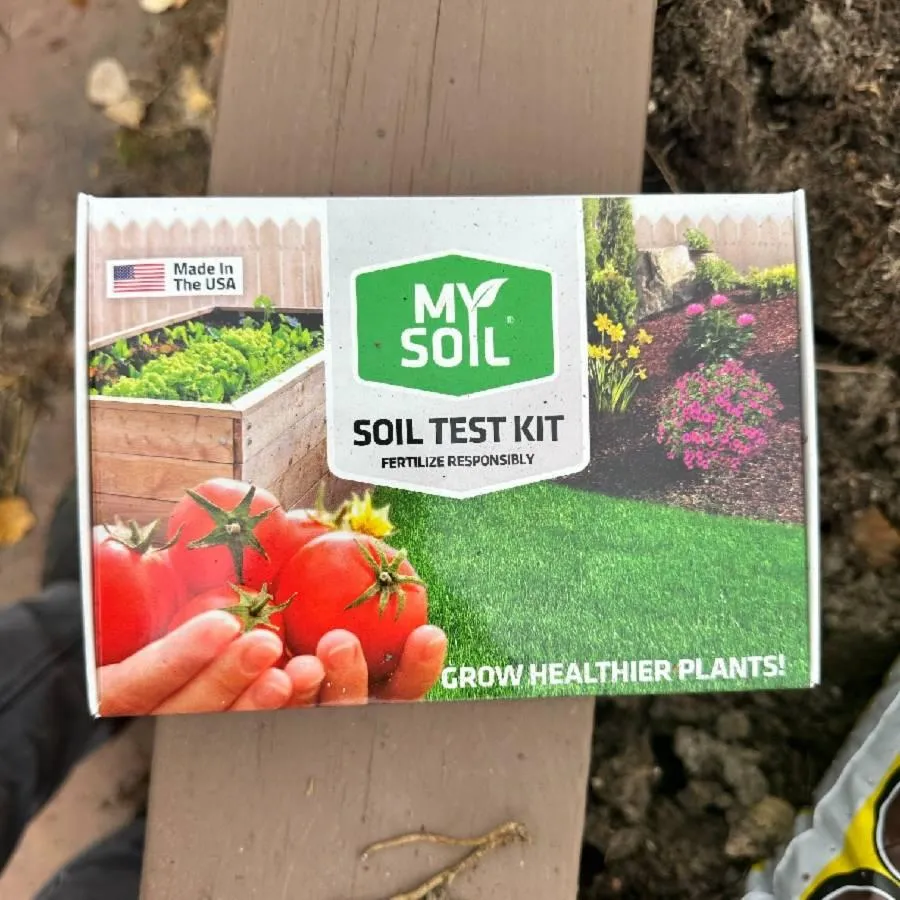
After testing raised beds across Fort Collins, Loveland, Windsor, and Northern Colorado, I see the same pattern in almost every bed that is struggling:
1. Extremely high phosphorus (P)
Often 2–6× the ideal range.
Too much P blocks micronutrients like iron, copper, and zinc.
2. High potassium (K)
This interferes with calcium and nitrogen uptake, weakening plants.
3. High calcium + magnesium
Our region already has mineral-rich soil.
When these nutrients climb too high, the soil becomes:
sticky
cloddy
compacted
difficult for roots to penetrate
4. Very low nitrogen (N)
This surprises many gardeners.
Compost looks nutrient-rich, but once it’s broken down, nitrogen is often depleted.
Early yellowing leaves are the classic sign.
5. Low micronutrients
Especially:
iron
manganese
copper
boron
These are essential for flowering, fruiting, and disease resistance.
6. pH creeping upward
High pH makes micronutrients even less available, even if they're present in the soil.
What This Means for Your Raised Bed
When a raised bed becomes overloaded in big nutrients but deficient in nitrogen and micronutrients, you get nutrient lockout — a condition where nutrients are present but the plants can’t absorb them.
This is when gardeners start seeing:
yellowing leaves despite “good soil”
weak growth after mid-June
plants that look stunted
flowers dropping instead of setting fruit
soil that turns hard or cloddy even when moist
water that pools on top instead of absorbing
increased pest pressure (stressed plants attract insects)
Many gardeners respond by adding more compost or fertilizer…
which makes the imbalance worse.
This is why so many Colorado gardeners feel like they’re doing everything “right” but not getting results.
The problem isn’t you.
It’s the soil — and it’s fixable.
Want to Know What’s Really Happening in Your Raised Bed?
Most raised beds in Colorado don’t need more compost — they need balance, structure, and targeted micronutrients.
I offer professional soil testing, interpretation, and a custom amendment plan tailored specifically to the Colorado Front Range.
You’ll know exactly what to add, what to avoid, and how to rebuild healthy soil.
Why Compost Isn’t Enough in Colorado (And What Your Raised Bed Actually Needs)
In wetter climates, compost is a reliable, gentle amendment.
But Colorado’s composts — especially manure-based and mushroom composts — are far more nutrient-dense and behave differently in our alkaline, low-rainfall environment.
The result?
Adding compost year after year creates nutrient overload, not nutrient balance.
Why Compost Alone Doesn’t Fix Colorado Raised Bed Soil
Even high-quality compost (including biodynamic brands like Malibu) still adds:
phosphorus
potassium
calcium
magnesium
In other words: the very nutrients that are already too high in most Colorado raised beds.
Once phosphorus and potassium rise above optimal levels, they begin to block:
nitrogen uptake
iron
copper
manganese
zinc
That’s when plants show symptoms like:
yellowing (chlorosis)
slow mid-season growth
poor fruit production
blossom end rot
weak stems
compacted soil that forms large clods
inconsistent moisture retention
sudden pest issues (aphids, flea beetles, mites)
This stress response is classic nutrient lockout — not lack of compost.
What Your Colorado Raised Bed Actually Needs
Below are the amendments that fix Front Range soil issues without worsening nutrient imbalance.
1. Nitrogen (the #1 limiting nutrient in Colorado raised beds)
Compost is not a nitrogen fertilizer.
By the time it fully decomposes, most nitrogen is gone.
Colorado raised beds typically need a true nitrogen source, such as:
alfalfa meal
feather meal
soybean meal
fish hydrolysate
legume cover crops (peas, vetch, clovers)
These add nitrogen without increasing P or K.
2. Micronutrients (small but essential)
Most soil tests from Fort Collins to Windsor show deficiencies in:
iron
manganese
copper
boron
These drive:
flowering
fruiting
plant immunity
flavor
color
root strength
Recommended sources:
liquid kelp or kelp meal
EDDHA chelated iron (works best in alkaline soil)
azomite or basalt rock dust
boron (very small amounts and only with guidance)
3. Structure — not tilling
Many Colorado beds become cloddy and sticky because they’re overloaded with calcium and magnesium.
Tilling worsens this by:
breaking soil aggregates
killing beneficial fungi
collapsing pore space
increasing compaction after the next watering
Instead, improve structure with:
FoxFarm Soil Conditioner
pumice or coarse perlite
composted bark fines
soil pep (Mountain West)
EKO ClayBuster background blend
These create pore space and improve both drainage and aeration.
4. Biology — the engine of nutrient cycling
Healthy biology is the fastest way to rebuild soil.
Microbes break down clods, cycle nutrients, and transform heavy compost-based soils into friable, productive soil.
Support biology with:
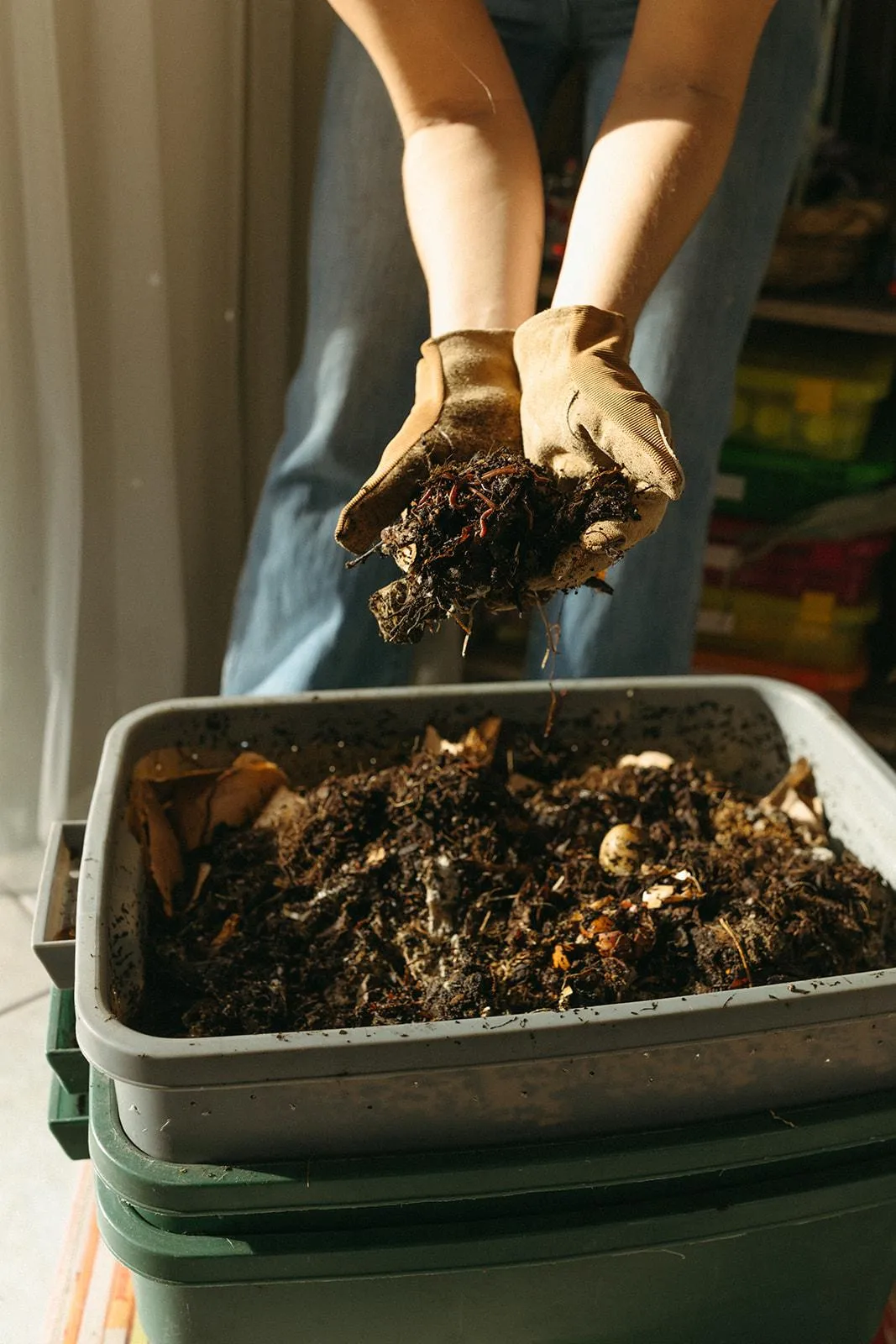
thin layers of worm castings
leaf mulch (chopped leaves are ideal)
cover crops
avoiding heavy tilling
diverse organic matter
low-salt, low-phosphorus inputs
fish hydrolysate (excellent biological stimulant)
Fish Hydrolysate vs Fish Emulsion (Important Distinction)
Most gardeners don’t realize these are not the same product.
Fish Hydrolysate
cold-processed
whole-fish product
high in amino acids
excellent for microbial life
adds gentle nitrogen
improves soil structure over time
Fish Emulsion
cooked by product
lower biological value
higher odor
acts more like a fast fertilizer
For rebuilding Colorado raised beds, fish hydrolysate is the preferred choice.
Soil Health & Pest Pressure: The Overlooked Connection
Stressed soil = stressed plants.
Stressed plants attract pests.
Imbalanced soil results in:
weak cell walls
slower metabolism
lower photosynthesis
reduced immunity
This makes plants more susceptible to:
aphids
flea beetles
spider mites
squash bugs
cabbage moths
Balancing your soil reduces pest issues far more effectively than any organic spray.
Want Help Rebuilding Your Raised Bed Soil?
If your raised beds haven’t been thriving, you don’t have to guess.
Join the Mother Gardener Membership Society for monthly Front Range–specific gardening lessons, soil education, and a community of gardeners learning how to build resilient raised beds.
Recommended Raised Bed Mix for Colorado + How to Maintain It
Now we wrap up with your long-term strategy.
The Raised Bed Mix That Actually Works in Colorado
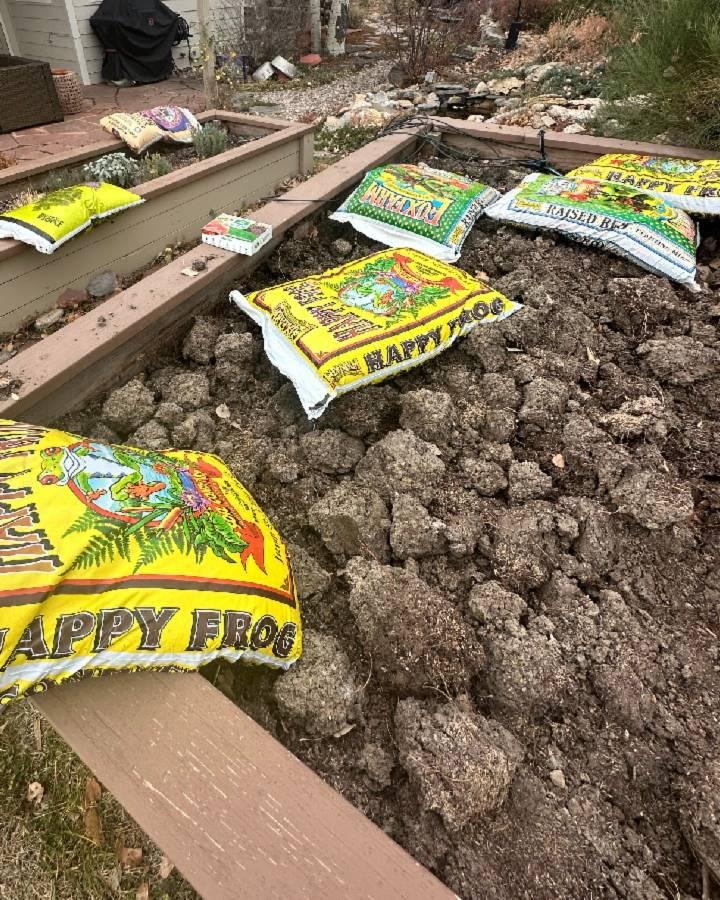
Most soil yards offer “raised bed mixes” built largely from compost.
These perform well in year one, but by year two, the imbalance becomes obvious.
Here is the mix I recommend for long-term success in the Colorado Front Range:
Mother Gardener Raised Bed Mix Formula
40% high-quality raised bed planting mix - Your Bulk Material
(FoxFarm, or a soil yard blend without added manure.)
30% composted bark fines or soil conditioner- Your Drainage Support
This is what improves structure — not compost.
20% high-quality compost (non-manure-based)- Your Nutrient Boost
Preferably from a biodynamic source or leaf-based source.
10% worm castings or vermicompost
Adds biology without spiking P or K.
Then adjust based on soil test results:
add nitrogen if low
add iron if chlorotic
add kelp for micronutrients
add pumice/perlite/construction sand (not playground sand) for drainage
add rock dust for trace minerals
This mix stays open, airy, and productive for years — not just one season.
How Often Should You Test Your Raised Bed Soil in Colorado?
I recommend:
every 1–2 years for general maintenance
annually if you’ve used mushroom compost, manure compost, or bagged organic fertilizers
whenever plants show early yellowing, poor fruiting, or compaction
Raised beds change quickly.
Testing prevents years of frustration and saves money on unnecessary amendments.
Still unsure what your raised bed needs?
I offer professional soil testing, interpretation, and a step-by-step amendment plan tailored to your specific garden.
Let’s rebuild your soil the right way — and get your garden producing the way it should.
Get Your Free Front Range
Gardening Guide
Unlock the Secrets to Colorado Garden Success
Ready to grow with confidence in Colorado’s unique climate?
Get your free guide packed with everything you need to succeed. From understanding local growing conditions to mastering seasonal tasks and a list of local gardening resources, this resource is perfect for both beginners and seasoned gardeners.
Start building a garden that thrives today—grab your free guide now!



Contact:
support@mothergardener.com
Fort Collins, Colorado
80524