Garden Designer vs Landscaper in Fort Collins: What's the Difference
You're searching for someone to help with your yard. You type "landscaper Fort Collins" into Google. You get a dozen results that look basically the same.
Professional photos. Neat foundation plantings. The same plants you've seen in every other yard on your street.
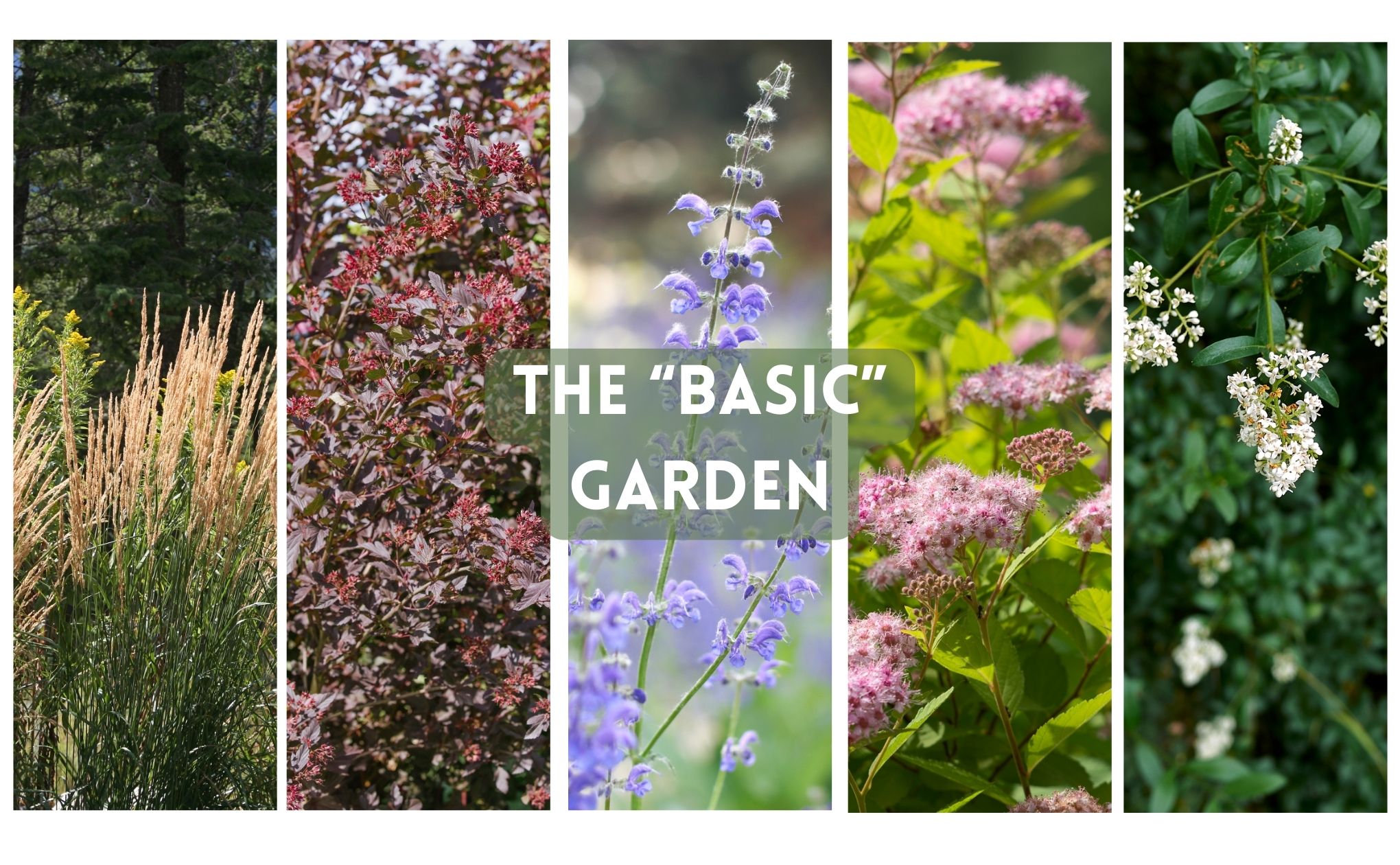
Spirea at the corners. Karl Foerster grass flanking the walkway. Purple coneflower and Russian sage scattered throughout. Maybe some iris.
It looks fine. Polished, even. But something feels... generic and lacking spirit.
You can't quite put your finger on it, but when you picture your dream garden, it doesn't look like everyone else's.
Let me tell you what's happening—and why the distinction between a landscaper and a garden designer might matter more than you think.
The Formula That Works (Until It Doesn't)
Many landscapers in Fort Collins use a proven plant palette.
Spirea 'Goldflame' or 'Anthony Waterer.' Karl Foerster ornamental grass. Echinacea purpurea (purple coneflower). Salvia yangii (Russian sage). Bearded iris. Sedum 'Autumn Joy.' Daylilies.
You've seen these plants. Your neighbor has them. The house down the street has them. Three houses on your block probably have the exact same foundation planting.
Here's the thing: these aren't bad plants.
They're reliable. They survive Fort Collins' clay soil and temperature swings. They're available at every wholesale nursery. They install quickly. They look decent for years with minimal care.
Landscapers use them because they work.
It's efficient. It's predictable. It's safe.
But it's also the same design, repeated on every property, regardless of who lives there or what that specific site actually needs.
And that's where the formula breaks down.
What I See When I Visit Existing Yards
I get called to properties where "the landscaping just isn't working."
Sometimes the homeowner can't articulate what's wrong. They just know something feels off.
Here's what I usually find:
Plants struggling in the wrong light. Sun lovers shoved into shady corners. Shade plants crisping in Colorado's intense afternoon sun.
Plants fighting the soil. Species that need well-drained soil planted in spots where water pools. Plants that tolerate clay stuck in the one patch of sandy soil on the property.
Plants crowded together—or spaced so far apart the design never fills in.
And almost always: landscape fabric.
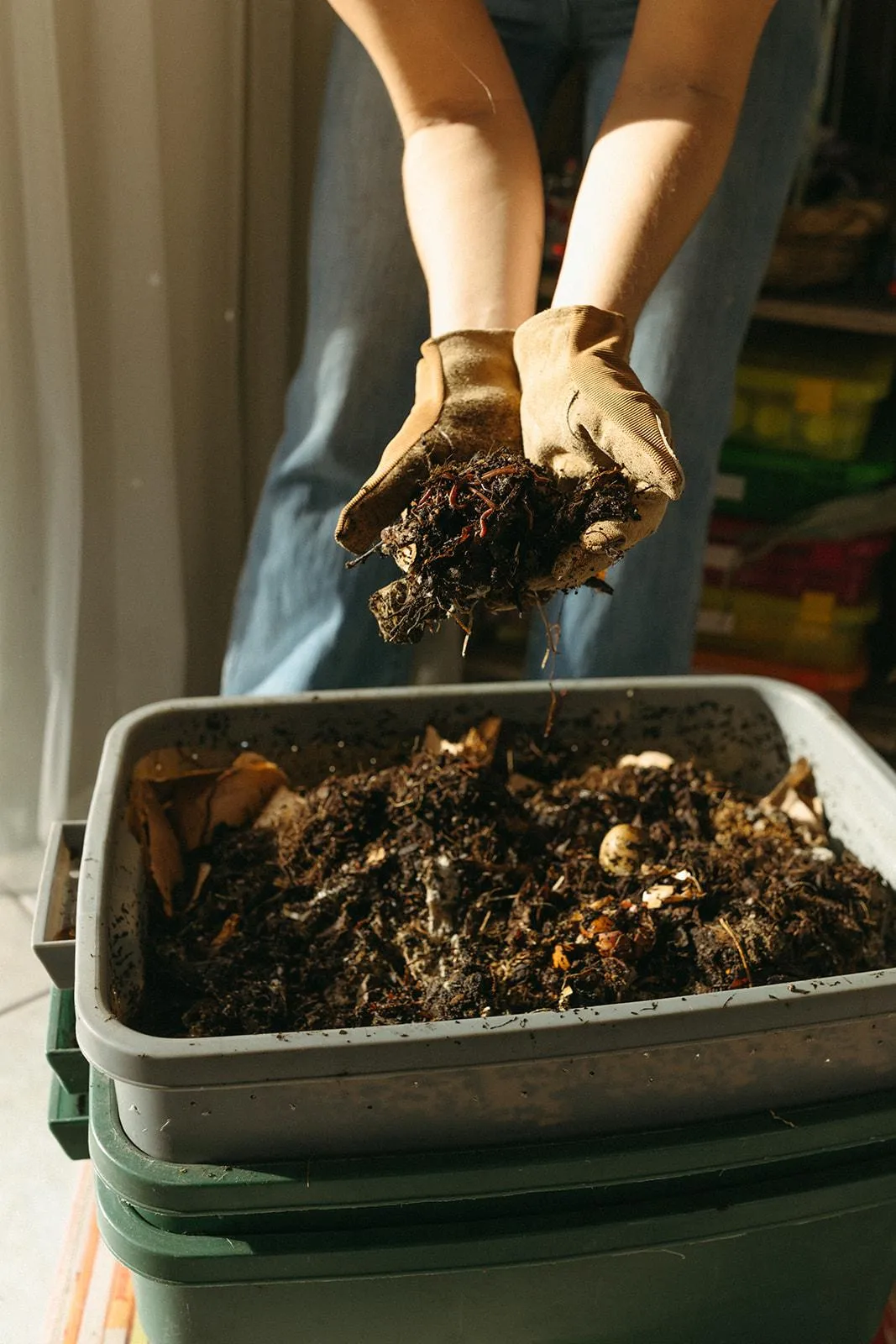
Landscape fabric prevents weeds in year one. By year three, it's preventing everything—water infiltration, soil building, root expansion, earthworm activity. The soil underneath is compacted and lifeless.
The plants aren't thriving. They're surviving.
There's a difference.
Fast Installation vs. Long-Term Health
Here's what standard landscaping installation often looks like:
Lay landscape fabric. Cut holes. Dig holes just big enough for root balls. Maybe mix some compost into each hole. Drop plants in. Backfill. Mulch heavy (2-4 inches). Done.
It's fast. It looks finished immediately. The client is happy.
But six months later, a year later, five years later—the garden hasn't improved. It's exactly the same. Or worse.
Because nothing was done to build the soil. The foundation wasn't addressed.
I work differently.
I start with soil health. Not as an afterthought, but as the literal foundation of everything that follows.
Understand what's already there. Amend broadly if needed, not just in individual holes. Build organic matter. Improve structure. Create conditions where plants don't just survive—they thrive.
This takes longer. It's more expensive upfront. But five years later, you have a garden that's better than the day it was installed. Not worse.
That's the difference between decorating with plants and actually gardening.
Cookie-Cutter vs. Custom Design
The same proven plant palette works everywhere—until you start asking what "works" actually means.
Does it mean the plants stay alive? Then yes, spirea and Karl Foerster work.
But does it mean the garden reflects the person who lives there? Does it support the local ecosystem? Does it respond to the specific conditions of this exact site?
Probably not.
When I design a garden, I'm asking different questions.
What's already thriving here? (That tells me about the microclimates, soil, and water patterns.)
Where does water naturally flow? Where does it pool?
What's the sun exposure—not just "full sun" but how many hours, which direction, what time of day?
What do you cook? (If you use a lot of herbs, let's integrate culinary plants.)
What do your kids do outside? (Design around their play patterns, not against them.)
What brings you joy? (Not what Pinterest says should bring you joy. What actually does.)
These questions lead to completely different designs.
Yes, I might use spirea. But I'll also bring in little bluestem, sideoats grama, prairie dropseed.
Native grasses that move differently, look different, support different wildlife.
I might use coneflower. But I'll choose Echinacea pallida or Echinacea angustifolia—species native to Colorado—instead of defaulting to the standard purple.
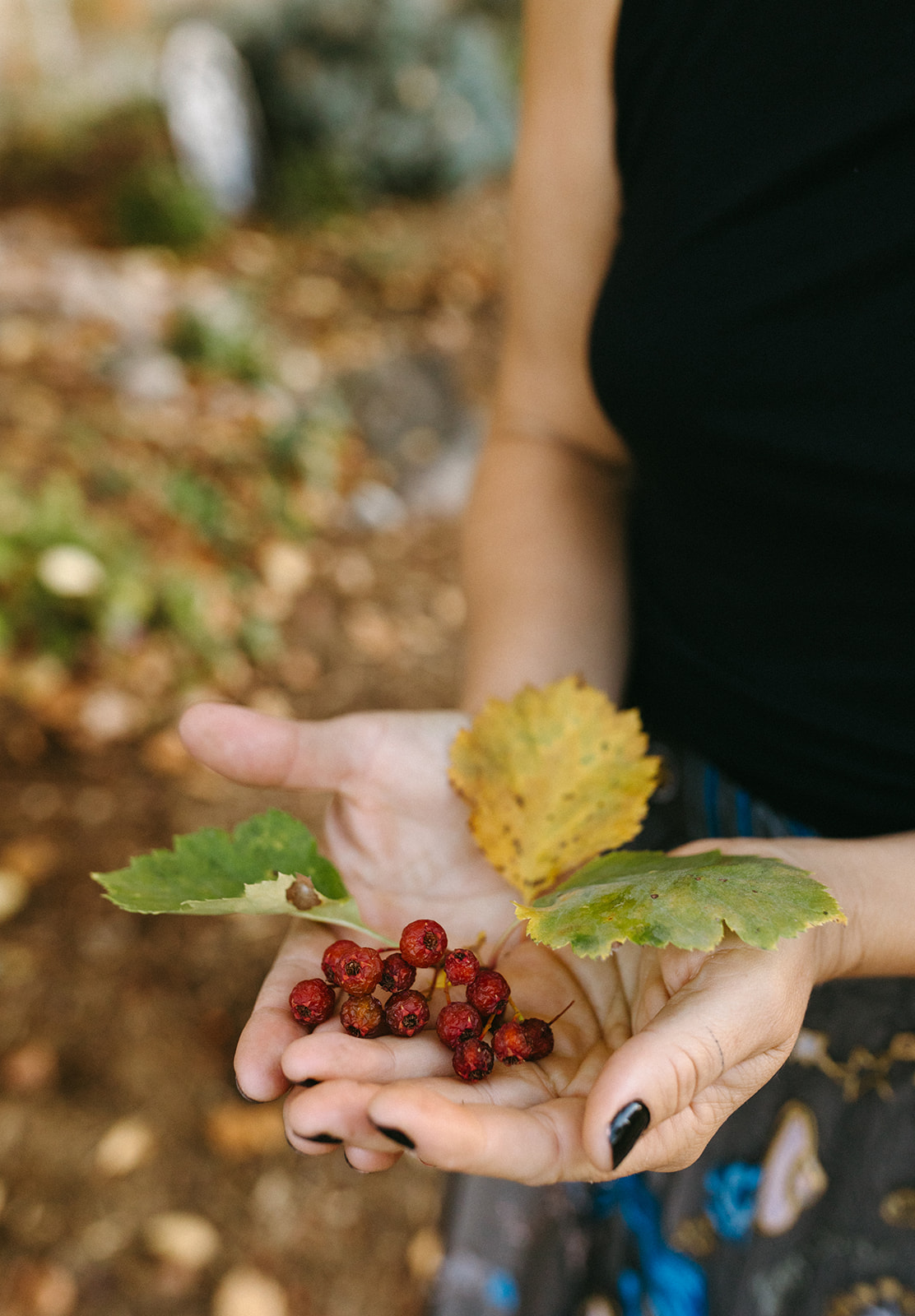
I'll add kinnikinnick for evergreen ground cover. Blanket flower for hot, dry spots. Penstemon for hummingbirds. Native berry shrubs for four-season interest and wildlife food.
Plants you won't see in every other yard on your block.
Each garden becomes one-of-a-kind. Responsive to the place. Reflective of the person.
I'm a Garden Designer. But I Also Do Full Installations.
Let me be clear about something: I create finished gardens.
Professional installations. Beautiful, ready-to-enjoy outdoor spaces. Hardscaping if you need it (I partner with skilled contractors).
This isn't about ongoing coaching versus a one-time project. I do both.
The difference is philosophy, not scope.
I'm not handing you an ongoing maintenance burden and calling it "stewardship." I'm creating something complete and beautiful that you can enjoy immediately.
But I'm designing it as custom art.
Responsive to this specific microclimate. This specific soil. This specific ecosystem. And most importantly, this specific person.
Not a formula. Not the same plants I used on the last three houses. Your garden.
When Does Generic Landscaping Make Sense?
I'm not saying traditional landscaping is wrong.
If you want your yard to look polished quickly—if curb appeal and resale value are your main priorities—if you're not interested in the details of plant selection or soil health—a standard landscaping package might be exactly what you need.
There's no judgment in that.
Some people want outdoor space that looks good and requires minimal thought. That's a legitimate goal.
But if you're someone who's drawn to the idea of a garden that's truly yours—if you want something that reflects your personality, supports local wildlife, and works with Fort Collins' unique climate instead of fighting it—then garden design is what you're looking for.
What Working With Me Actually Looks Like
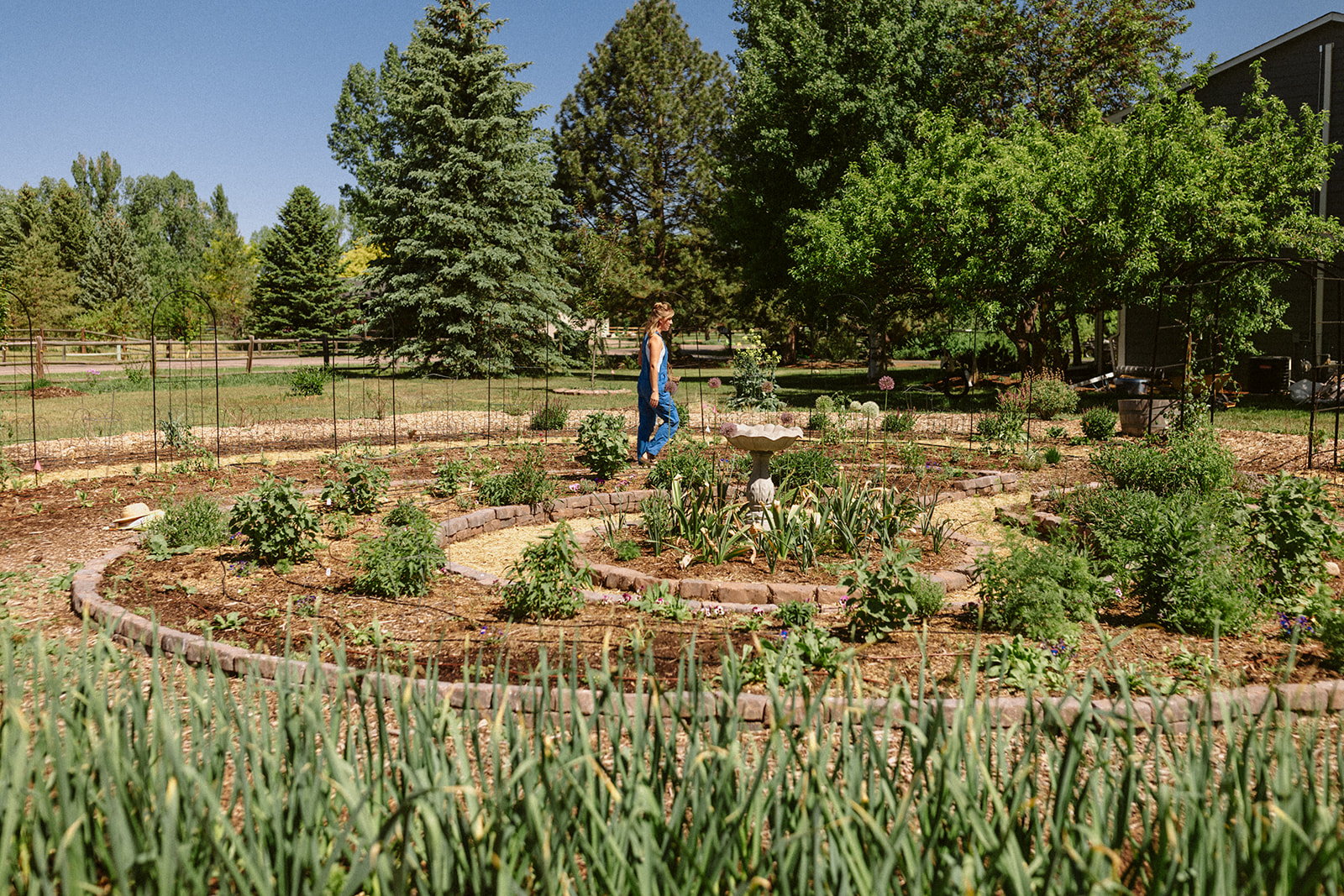
We start with a consultation. I come to your property. We walk it together.
I'm looking at what's already there. Existing plants. Drainage patterns. Sun exposure. Microclimates. Where you naturally want to sit. Where your kids play. What you love. What frustrates you.
I ask: What do you want from this space?
Not "What plants do you like?" (Most people don't know plants yet, and that's fine.)
But: How do you want to feel in your garden? What would make this space magical for you?
Then I design something custom. Plants chosen specifically for your site and your vision. Native species that belong here. Edibles if you want them. Pollinator plants. Unexpected textures and colors.
When I present the design, I'm asking: Does this feel in alignment with you?
If it doesn't, we revise. This is your garden. It should feel like you.
During installation, I focus on soil first. Because healthy soil is what makes everything else possible.
And when the project is complete, you have a finished garden. Beautiful. Professional. Yours.
If you want ongoing coaching—seasonal check-ins, troubleshooting, learning to care for it yourself—I offer that too. But it's not required. You can simply enjoy the garden.
The Bigger Picture: Why This Matters
Gardens are more than decoration.
They're ecosystems. Habitats. Places where we reconnect with something essential.
When every yard looks the same—when we default to the same non-native plants repeated in the same configurations—we lose something.
We lose diversity. We lose habitat for native pollinators. We lose the sense that our outdoor space is uniquely ours.
I design gardens as living art. Each one different. Each one responsive to place and person.
Not because I think everyone should care about native plants (though I do think they're incredible).
But because I believe your garden should reflect who you are. Not what's easy. Not what everyone else has.
You.
Ready to Create Something One-of-a-Kind?
If you've read this far, you probably already know whether this approach resonates with you.
If you're tired of seeing the same plants in every yard. If you want a garden designed specifically for your site and your life. If you're drawn to the idea of outdoor space that's truly custom—I'd love to talk.
I offer consultations where we walk your property together and explore what's possible.
You'll leave with a clearer sense of what you actually want from your outdoor space.
Final Thoughts
The difference between standard landscaping and garden design isn't about one being better.
It's about what you value.
Do you want proven, predictable, fast? Or do you want custom, site-specific, artistic?
Both are valid. They serve different needs.
But if you're someone who wants a garden that feels like yours—not a formula, not a repeat of the neighbor's yard, but something one-of-a-kind—garden design is the path.
And I'm here to create it with you.
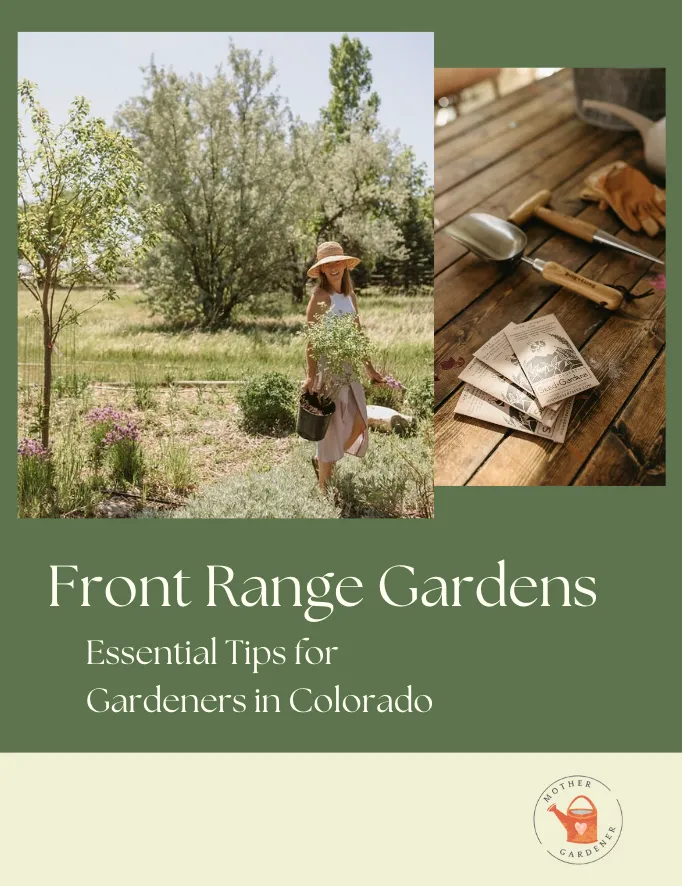
Get Your Free Front Range
Gardening Guide
Unlock the Secrets to Colorado Garden Success
Ready to grow with confidence in Colorado’s unique climate?
Get your free guide packed with everything you need to succeed. From understanding local growing conditions to mastering seasonal tasks and a list of local gardening resources, this resource is perfect for both beginners and seasoned gardeners.
Start building a garden that thrives today—grab your free guide now!


Read more over on my Substack: Mother Gardener Membership Society
Contact:
support@mothergardener.com
Fort Collins, Colorado
80524