Planting calendar
Understanding our growing seasons: cold, cool, warm and hot
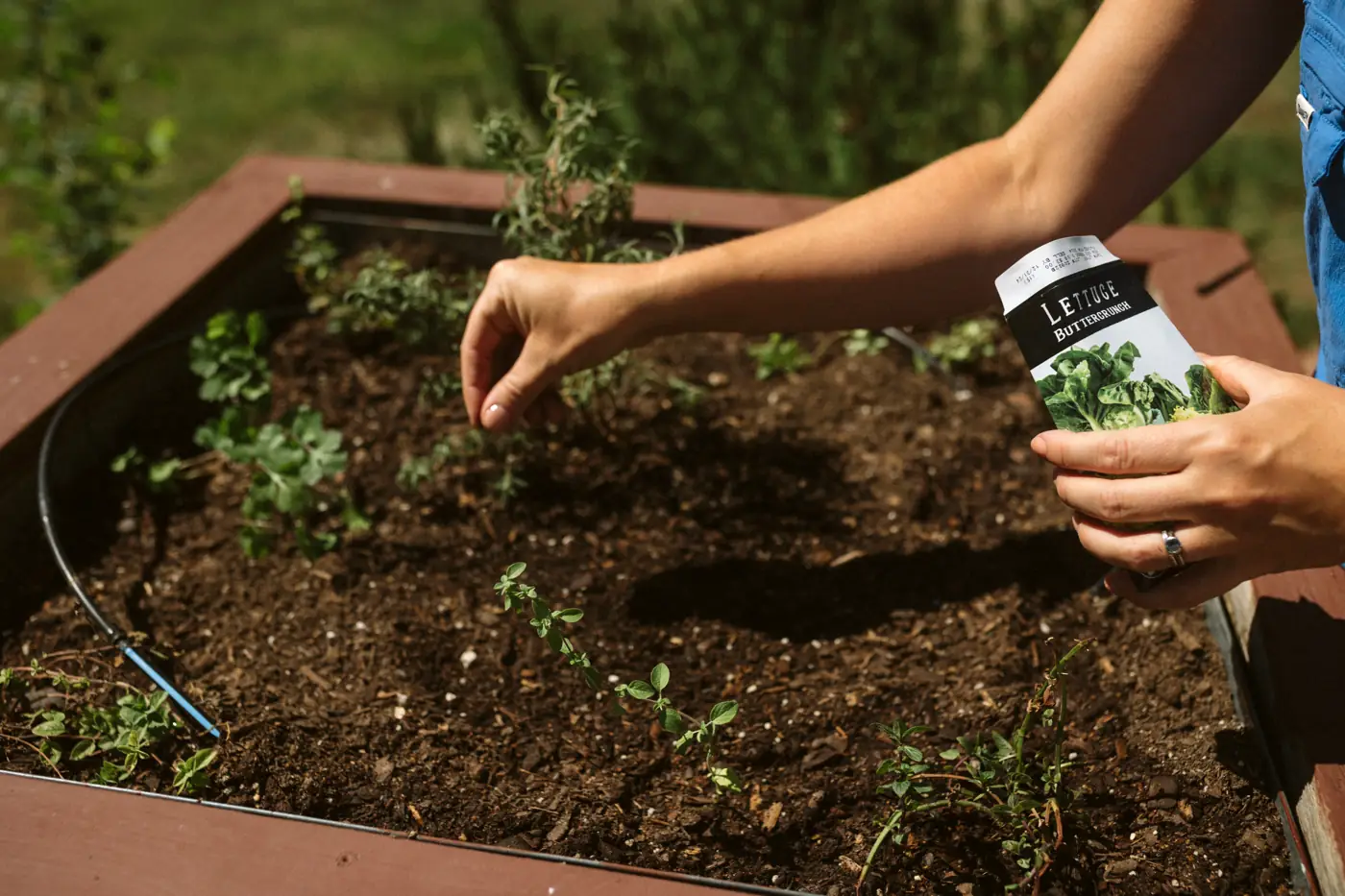
Plants grow by temperature, not by the calendar. Gardeners can think in four seasons: cold (below about 30°F, frozen ground), cool (about 35 to 65°F), warm (about 65 to 85°F) and hot (above about 85°F). In Fort Collins that means cool crops in spring and fall, warm crops from late May, and the hottest stretch in July, when our average high is 87°F.
When I trained as a Gardenary garden coach, one idea changed how I plan every garden: stop thinking in months and start thinking in temperatures. A tomato doesn't know it's June. It knows whether the nights are warm enough to grow. Once you know your temperature seasons, you know what to plant, when, and why some things struggle.
New to gardening here? Start with my Fort Collins gardening guide for beginners.
The four seasons
Cold: below about 30°F
The ground is frozen and perennials are dormant. Frost is a guarantee, not a chance. This is the season for planning, ordering seeds, starting onions and leeks indoors, and winter sowing hardy natives outside in milk jugs.
In Fort Collins: roughly late November through February. From about November 20 to March 1, our average daily high stays below about 49°F.
Cool: about 35 to 65°F
You're climbing out of freezing temperatures. There may be warm days, but frost is still possible. As soon as the soil can be worked, many plants go in the ground: peas, spinach, lettuce, kale, radishes, carrots, beets, onions, and the cabbage family.
In Fort Collins: about March to mid-May, and again from mid-September to mid-November. Cool-season crops can handle a light frost, and many taste sweeter for it.
Warm: about 65 to 85°F
No more frost worries. This is when most of the garden goes in: tomatoes, peppers, beans, squash, cucumbers, corn, basil and most summer flowers. Some cool-season crops can hang on early in the warm season, but they'll start to bolt as it heats up.
In Fort Collins: from late May through June, and again from late August into mid-September. The average last frost is around May 10, but I wait until about May 25 to plant warm crops, once the nights stay above 50°F.
Hot: above about 85°F
Too much for spinach, lettuce, cilantro and peas, which bolt and turn bitter. Perfect for tomatoes, peppers, eggplant, okra, melons, sweet potatoes and squash. In our dry climate, this is also the season for deep, steady watering and mulch.
In Fort Collins: July into mid-August is our hottest stretch. July's average high is 87°F, and from about early June to mid-September average highs stay above about 77°F, so heat-loving crops have a solid run.
Why this matters on the Front Range
Our weather swings. We can have a 70°F day in March and snow in May. Planning by temperature season keeps you from planting tomatoes on the first warm weekend, and it shows you the two windows most people miss: early spring and fall.
Fort Collins really has two cool seasons, and the fall one is the underrated one. Sow carrots, beets, kale and peas in July, and lettuce and spinach in August, and you'll be harvesting into November. See the fall timeline in my seed starting and fall planting guide.
Find your own seasons
Your temperature seasons depend on your elevation, your yard and even which side of the house a bed is on. To map your own:
- Look up your average monthly high and low temperatures. NOAA climate normals are a good source.
- Label each month cold, cool, warm or hot using the ranges above.
- Note your average frost dates. For Fort Collins I use May 10 in spring and about October 1 in fall, though most recent falls have stretched into mid-October.
- Watch your microclimates. A south-facing wall can give you a warm season weeks early. A low spot where cold air settles may frost later in spring and earlier in fall.
Remember that every one of these numbers is an average. Watch the forecast, keep frost cloth handy, and let the garden tell you when it's ready.
Put it to work
- When to start seeds in Fort Collins: a free calculator for spring and fall planting dates.
- Fort Collins planting calendar: what to plant, tend and harvest this week, with the live frost forecast.
The Gardener's Post field guide for April is all about understanding the seasons, with a tracker to help you see where you are in the year. See what's inside a letter.
Common questions
What are the four growing seasons in gardening?
Cold, cool, warm and hot. Instead of planting by month, you match each crop to the temperatures it likes: cool-season crops like peas, lettuce and broccoli grow best between about 35 and 65°F, warm-season crops like tomatoes and beans between about 65 and 85°F, and hot-season crops like peppers, okra and melons keep going above 85°F.
When is the cool season in Fort Collins?
Roughly March to mid-May in spring, and mid-September through mid-November in fall. Frost is still possible, but cool-season crops handle it.
When is it safe to plant warm-season crops in Fort Collins?
Usually late May. The average last frost is around May 10, but nights stay cold for another couple of weeks, so I wait until about May 25 for tomatoes, peppers, basil, squash and beans.
Why do my spinach and lettuce bolt in summer?
They are cool-season crops. Once days run hot, usually by mid-June in Fort Collins, they flower and turn bitter. Grow them in spring and again in fall, and use summer space for warm and hot crops.
Is fall a good time to garden in Colorado?
Yes. Fall is one of our best seasons. Warm days, cool nights and fewer pests make it ideal for greens, roots and brassicas, and many taste sweeter after a light frost.