Getting started
Gardening for beginners in Fort Collins: your first kitchen garden, step by step
Start small, start with soil, and plant by temperature. In Fort Collins that means one or two raised beds in full sun, working with our clay instead of fighting it, steady deep watering, and a simple plan: cool crops like peas and lettuce in early spring, warm crops like tomatoes and squash after about May 25, and a second round of greens in August for fall.
Gardening here is different from what the seed packets and national blogs describe. We're at about 5,000 feet, with strong sun, dry air, clay soil, spring snow after warm spells, and the odd summer hailstorm. None of that means it's hard. It just means a few things matter more here than in other places, and once you know them, your first year goes much better.
This is the guide I wish I'd had when I started. Take it one step at a time.
1. Start smaller than you think
The most common beginner mistake I see is starting too big. A garden you can water, weed and harvest in 20 minutes a day is a garden you'll still love in August.
A good first garden is one or two raised beds, about 4 by 8 feet each, or a handful of large containers on a sunny patio. That's plenty of room for salad greens, a couple of tomato plants, beans, herbs and a few flowers for the pollinators. You can always add a bed next year.
2. Find your sunniest spot
Most vegetables need at least 6 to 8 hours of direct sun. Spend a day noticing where the sun falls in your yard, or check in the morning, at noon and in late afternoon.
A few Fort Collins details to keep in mind:
- Close to a hose. You'll be watering a lot, so put the garden where water is easy.
- Some shelter from wind. Our spring and fall winds dry plants out quickly. A fence or house wall on the west side helps.
- Afternoon shade is a gift for greens. If your only spot gets shade after 3 p.m., grow lettuce, spinach, kale, chard and herbs there.
3. Work with the soil you have
Most of Fort Collins sits on heavy clay that's alkaline (high pH). Clay gets a bad name, but it holds water and nutrients well. The trick is learning to work with the soil you have instead of trying to turn it into something else.
- Go easy on digging in amendments. Sometimes working compost in makes sense, like opening up a brand new bed of hard, compacted clay. Most of the time, though, I'd rather leave the soil in place and spread compost or mulch on top. Worms and roots carry it down for you, and the soil life that builds good structure stays intact.
- Keep it covered. Bare clay crusts and cracks in our sun and wind. A layer of mulch, a cover crop or plants keeps it soft and alive.
- Don't walk on your beds. Clay compacts easily. Make beds narrow enough to reach the middle from the path.
- Choose plants that like it here. Many herbs, perennials and Colorado natives are happy in clay just as it is.
- In raised beds: fill with a blend of good topsoil and compost, often sold locally as a "garden mix" or "raised bed mix." Bagged potting soil alone is too light and dries out fast in our climate.
- Test if you can. The CSU soil testing lab can tell you what your soil has and what it needs, so you aren't guessing with fertilizer.
I go deeper on this in why raised beds struggle in Colorado and how to fix the soil.
4. Learn our seasons and dates
Plants care about temperature, not the calendar. Here are the numbers to know in Fort Collins (zone 5b):
- Average last spring frost: around May 10
- When I plant warm crops: about May 25, once nights stay above 50°F
- Average first fall frost: around October 1
Those dates are averages, not promises. We get snow in May some years, so keep an old sheet or frost cloth handy for the first few weeks.
Thinking in seasons makes planning much easier. Cool-season crops (peas, lettuce, spinach, radishes, carrots, kale, broccoli) go in from late March into April and again in August for fall. Warm-season crops (tomatoes, peppers, beans, squash, cucumbers, basil) go in late May. I explain all four seasons in understanding our growing seasons: cold, cool, warm and hot.
Not sure what to plant right now? My Fort Collins planting calendar has a tool that shows what to sow, plant and harvest for any date. Enter your ZIP code to adjust it for your yard.
5. Choose easy plants for your first year
Pick a few things you love to eat, then lean on the forgiving ones:
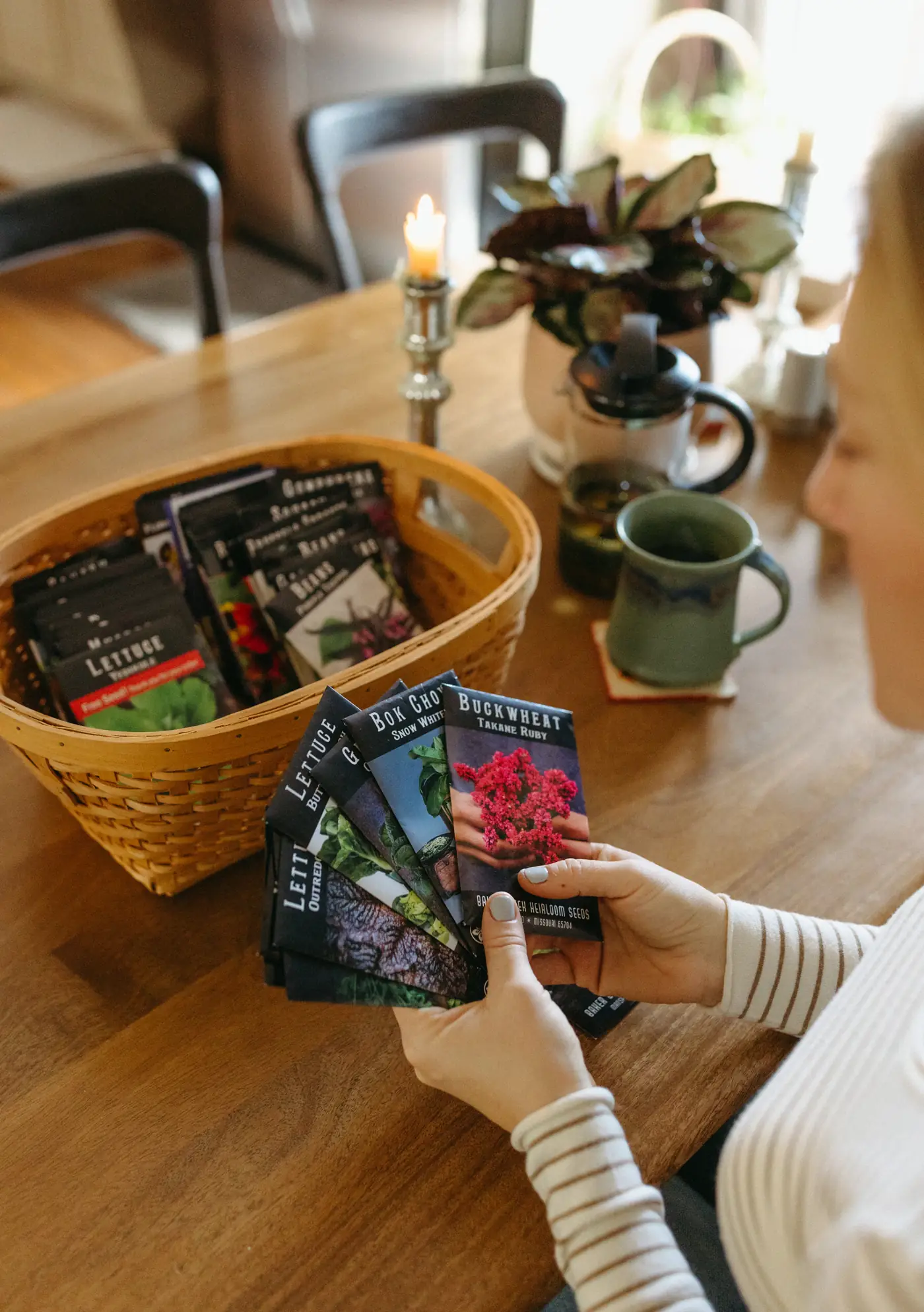
- Easiest from seed, sown right in the garden: lettuce, radishes, peas, spinach, bush beans, zucchini, nasturtiums, zinnias and sunflowers
- Easiest to buy as small plants (starts): tomatoes, peppers, basil, and perennial herbs like chives, oregano, thyme and sage
- Wait until year two: onions from seed, celery, melons and anything that needs a long, warm season
For tomatoes, choose cherry tomatoes or varieties that ripen in under 75 days. They have time to ripen before our first fall frost.
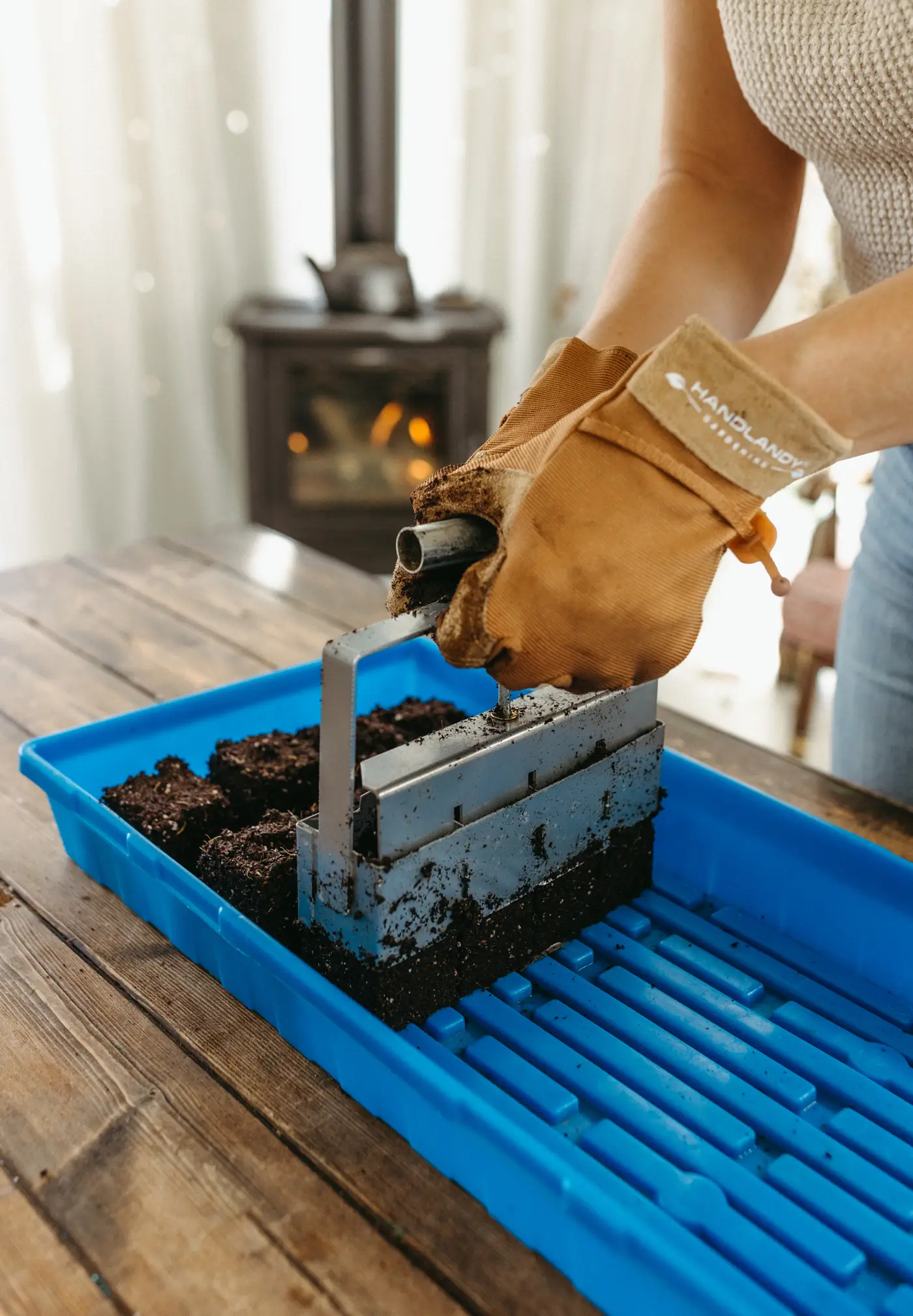
Should you start seeds indoors? It's a wonderful winter project, but it isn't required for a first garden. If you want to try, my seed starting calculator gives you dates for every crop. Start with just a few, like tomatoes and basil.
6. Water deeply, not daily
Our air is dry and our sun is strong, so watering is where most first gardens struggle.
- Water deeply 2 to 3 times a week rather than a sprinkle every day. Deep water grows deep roots that handle heat better.
- Check before you water. Push a finger 2 inches into the soil. If it's dry there, water.
- Water in the morning so leaves dry off and less water is lost to evaporation.
- Mulch. A few inches of straw, shredded leaves or wood chips around your plants keeps the soil cool and moist and cuts down on weeds.
- Consider drip irrigation on a timer. It's one of the best investments for a garden here, and it frees up your summer.
- Collect rain. Colorado homeowners can use up to two rain barrels with a combined 110 gallons for outdoor watering.
7. Plan for our weather surprises
- Spring snow and late frost: cover tender plants overnight with frost cloth or an old sheet, and take it off in the morning.
- Hail: a few hoops with shade cloth or hail netting can save a season's work. Most plants bounce back from light hail if you trim the damaged leaves.
- Heat in July: shade cloth over greens extends your lettuce season, and mulch keeps roots cool.
- Wind: water a little more on windy days, and stake tall plants like tomatoes early.
8. Keep a garden notebook
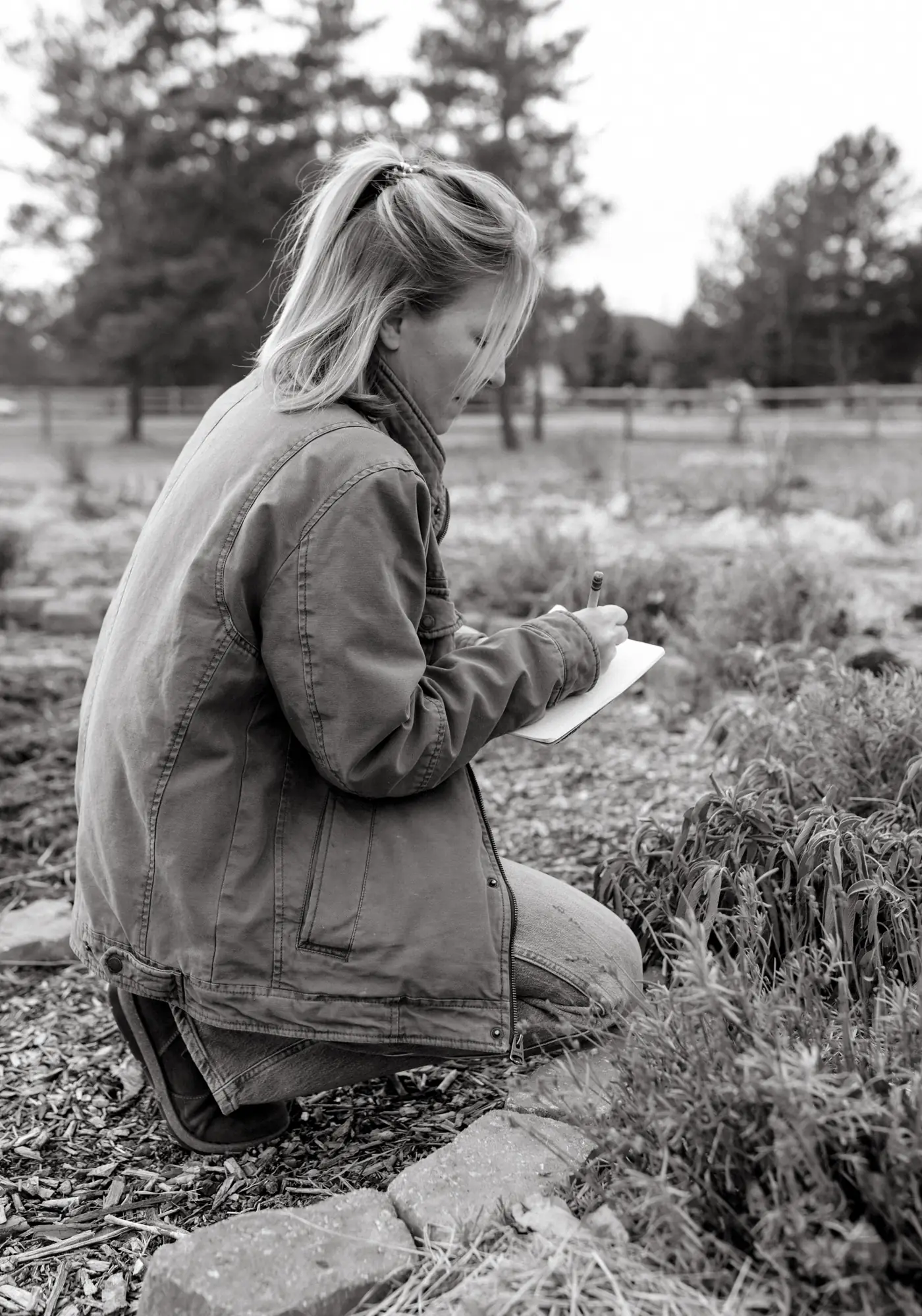
This is my favorite beginner habit. Write down what you planted, when, where, and how it did. Note the first and last frost in your yard, what the bugs went after, and what you'd do differently. By your second spring, your own notes will be your best guide, because no one knows your yard like you will.
Your first year at a glance
- December to February: dream, plan, order seeds, and decide where your beds will go
- March: build or refresh beds and top them with compost
- Late March to April: sow peas, spinach, lettuce, radishes and carrots
- Late May: plant tomatoes, peppers, squash, beans, cucumbers and basil
- June to August: water, mulch, harvest often, and sow fall greens in August
- September to October: harvest, cover plants on cold nights, and cover beds with leaves or mulch for winter
Planting flowers, shrubs or a native garden instead of vegetables? That's a different approach. Start with my landscape gardening guide for beginners.
Want help in your own yard?
Every yard here is a little different. As a Fort Collins garden coach, I can walk your space with you, help you pick the right spot and plants, and set you up for a garden that works. Learn about garden coaching or book a garden consultation.
Common questions
What growing zone is Fort Collins?
Most of Fort Collins is USDA zone 5b. Our average last spring frost is around May 10 and our average first fall frost is around October 1, for a growing season of roughly 145 days.
What is the easiest thing for a beginner to grow in Fort Collins?
Lettuce, radishes, peas, bush beans, zucchini, cherry tomatoes and herbs like chives, oregano and thyme. Buy tomato and pepper starts your first year instead of growing them from seed.
When should I start a garden in Fort Collins?
Plan in winter, plant cool crops like peas, lettuce and spinach from late March to April, and wait until about May 25 for tomatoes, peppers, squash and beans, when the nights stay above 50°F.
Should beginners use raised beds in Fort Collins?
Raised beds are a great start here. They let you skip our heavy clay, warm up faster in spring and are easier to water. Fill them with a mix of good topsoil and compost, not bagged potting soil alone.
How often should I water a vegetable garden in Fort Collins?
Water deeply instead of a little every day: usually 2 to 3 times a week in summer, more in heat waves. Check by pushing a finger 2 inches into the soil. If it is dry there, water. Mulch and drip irrigation help a lot in our dry air.
Can I collect rainwater for my garden in Colorado?
Yes. Colorado homeowners can use up to two rain barrels with a combined 110 gallons, for outdoor watering only.