Getting started
Landscape gardening for beginners in Fort Collins: plants that belong here
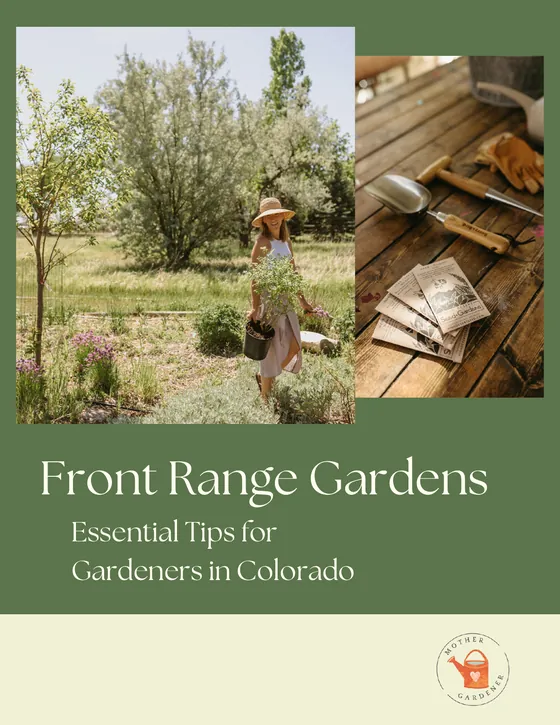
Start by watching your yard, then plant for the place you live. In Fort Collins that means learning your microclimates (the hot walls, cold pockets, windy corners and dry shade), choosing mostly native and regionally adapted plants that thrive in our sun, wind and clay, keeping a few beloved favorites, and giving part of your land back to nature.
If you're new to gardening here, there's a good chance you're new to Colorado too. So many of the people I work with moved here from somewhere greener, and the first thing they ask for is the garden they left behind: the lilacs from Michigan, the azaleas from the South, the lush lawn and big blue hydrangeas from back east.
I understand that completely. Plants carry memories. But some of those plants will struggle here, and the garden that feels most at home on the Front Range is one that grows from this place. This guide is about learning to see your yard the way it actually is, and falling in love with the plants that belong here.
If you're planting vegetables, start with my beginner's guide to your first kitchen garden instead. This one is for flowers, shrubs, trees and the bones of your yard.
1. Spend a season just watching
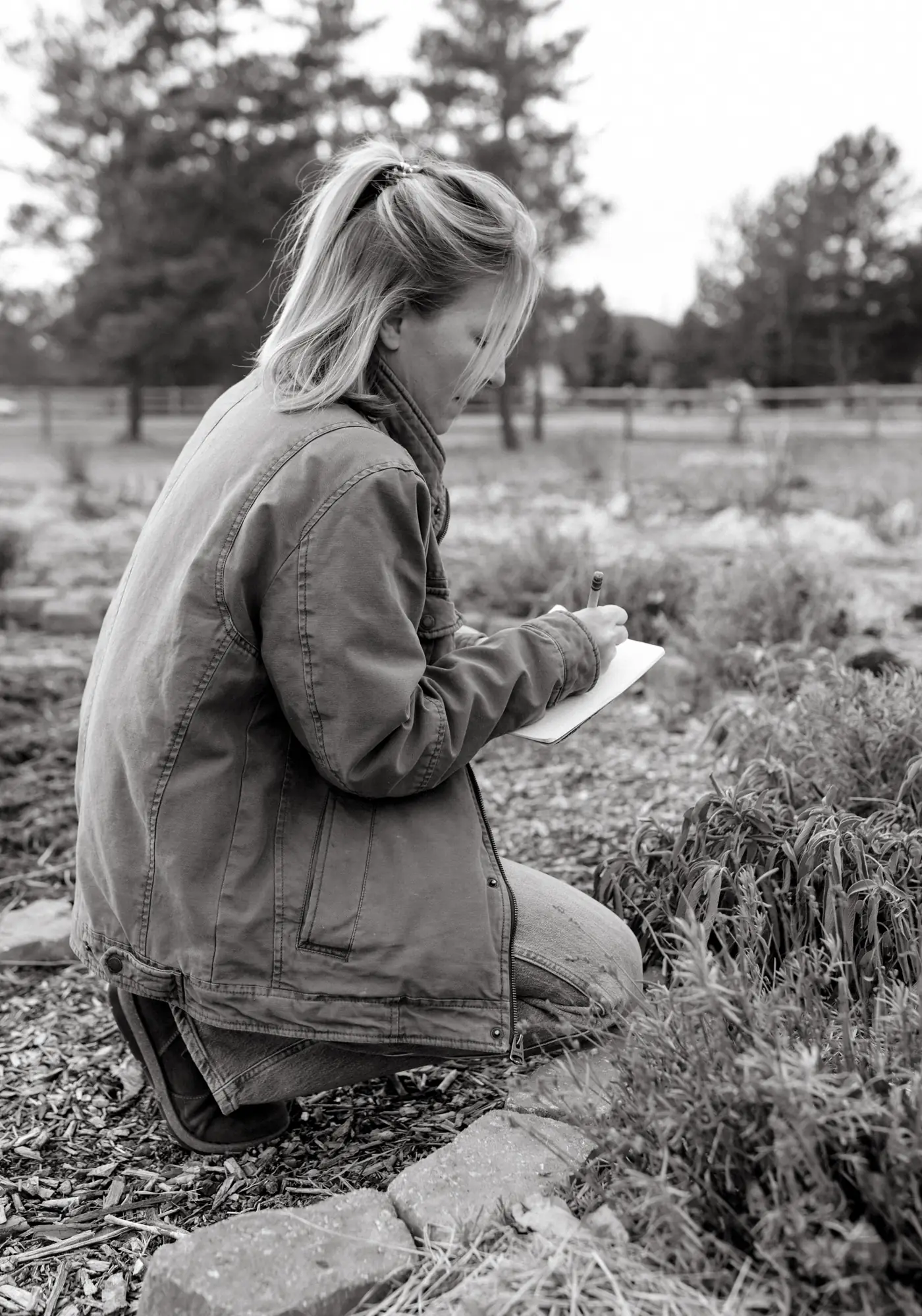
The best landscape advice I can give a beginner is to slow down. Before you buy a single plant, watch your yard through as many seasons as you can. Take photos and keep notes on:
- Sun: where the sun hits in the morning, at midday and in the late afternoon, in summer and in winter. Winter shadows from the house are much longer.
- Snow: where it melts first (your warmest spots) and where it lingers for weeks (your coldest).
- Water: where puddles form after a storm, where the gutters drain, and where the ground stays bone dry.
- Wind: which way it comes from and where it whips around corners.
- Wildlife: which birds, bees and butterflies are already visiting, and what they're visiting.
2. Learn your microclimates
A microclimate is a small part of your yard that's hotter, colder, wetter, drier, windier or shadier than the rest. Every Fort Collins yard has several, and matching plants to them matters more than almost anything else you'll do.
- South and west walls: the hottest spots you have. Brick, stone and concrete soak up heat and give it back at night. Perfect for sun lovers and dry-loving plants, and often too much for anything that wants it moist.
- North side of the house: cool and shady, with snow that sits for weeks. A good place for shade plants and a few things that would scorch in our afternoon sun.
- East side: morning sun and afternoon shade, the gentlest spot in most yards. This is where plants from wetter climates have their best chance.
- Low spots: cold air flows downhill and settles, so low corners can frost earlier in fall and later in spring.
- Under evergreens: dry, shady and often acidic from fallen needles. Few plants love it, so choose carefully.
- Along sidewalks and driveways: extra heat and reflected light, plus salt in winter.
- Windy corners: our winds dry plants out quickly, especially in winter.
3. Fall for plants from here
Native plants evolved with our sun, wind, clay, hail and dry winters. Once they're established, most need little water and no fussing. They also feed the native bees, butterflies and birds that depend on them, which most imported ornamentals can't do.
A few of the plants I love and use often in Fort Collins gardens:
- Shrubs: rabbitbrush, serviceberry, leadplant, saltbush and coyote willow
- Perennials: the many hyssops (Agastache), wild indigo and false indigo, Amsonia jonesii, snakeroot, and alliums
- Self-sowers: our native cosmos
I go deeper on natives for our soil in native plants for Fort Collins clay soil.
Natives plus regionally adapted. I'm not a natives-only purist. Some plants from similar climates, like the Mediterranean, Central Asia and the high plains of other continents, do beautifully here too. A great shortcut is the Plant Select tag at local nurseries. Plant Select is a Colorado program run by Denver Botanic Gardens and Colorado State University. It trials plants for years and picks only a few each year that prove they can take our heat, drought and cold.
4. Make room for the plants you miss
You don't have to give up every plant from home. I love hydrangeas too, and I have some in my own garden. The key is balance: keep a few favorites that mean something to you, put them in the microclimate where they'll be happiest, and surround them with plenty of native planting.
A few tips for well-loved transplants:
- Hydrangeas: smooth hydrangeas like 'Annabelle' and panicle hydrangeas handle our cold and alkaline clay much better than the big blue mophead types. Give them an east-facing spot with afternoon shade and regular water.
- A tougher hydrangea alternative: viburnums give you that same lush shrub with big white flower clusters. My favorite is 'Alleghany' viburnum (Viburnum × rhytidophylloides 'Alleghany'), a Plant Select pick. It has creamy white spring flowers, berries that go from red to black for the birds, and dark leathery leaves that hang on most of the winter. It grows 6 to 10 feet tall and wide in sun or shade.
- Lilacs and peonies: these old favorites already do well here.
- Acid lovers like azaleas, rhododendrons and blueberries: our alkaline soil and dry air are hard on them. Honestly, I wouldn't spend your time, money or water on these, even in containers. Let them go and plant something that loves it here.
- Group thirsty plants together near the house or the hose, so you aren't watering the whole yard for a few plants.
5. Work with your soil
Most of Fort Collins sits on heavy, alkaline clay. Many natives are perfectly happy in it just as it is, and some do worse in rich, amended soil. For most landscape plantings, I'd rather choose plants that fit the soil than try to change the soil to fit the plants. Mulch to keep it covered, keep foot traffic on paths, and let roots and soil life build structure over time.
6. Water wisely
- Water new plants regularly for their first season or two while roots get established, even natives and dry-loving plants.
- Then taper off. Most established natives need only occasional deep watering in dry spells.
- Don't forget winter. Our dry, windy winters are hard on trees and shrubs, especially evergreens. Give them a deep drink once a month when the ground isn't frozen and it hasn't snowed.
- Group plants by water need (hydrozoning), so the thirsty ones and the tough ones aren't on the same schedule.
7. Give some of your land back to nature
This is the part of landscape gardening I care about most. Irish garden designer Mary Reynolds, who won a gold medal at the Chelsea Flower Show and later called herself a "reformed" landscape designer, started a movement called We Are the Ark. ARK stands for Acts of Restorative Kindness.
Her idea is simple and beautiful. She invites all of us to give some of our land back to nature: part of a garden, a window box, a corner of a park. Each one becomes a small native sanctuary for local creatures, and together they make a patchwork of wild places stitched across the world.
What I love most is that it asks a different question. Instead of only asking what we want from our land, we can also ask what the land wants to become. On the Front Range, an act of restorative kindness might look like:
- Letting one corner go wild with native grasses and wildflowers, and not mowing it
- Leaving seed heads and stems standing over winter for birds and overwintering bees
- Leaving fallen leaves in your beds as mulch and shelter
- Skipping the chemicals: no pesticides, herbicides or synthetic fertilizers in your ark
- Adding water: a shallow dish, birdbath or small pond is one of the best gifts for wildlife in our dry climate
- Leaving a patch of bare soil for ground-nesting native bees, which are most of our bees
Even a small patch counts. A pot of native flowers on an apartment balcony is part of the quilt too.
8. Plan before you plant
- Fall is a wonderful time to plant trees, shrubs and many perennials here. The soil is still warm and roots grow while the tops rest.
- Spring works too, after the soil dries out and the worst of the late snow passes.
- Start with one area. Replace one strip of lawn or one bed at a time, so you can care for it well and learn as you go.
- Think in layers: trees, shrubs, perennials and ground covers together, the way plants grow in the wild.
Want help seeing your yard with fresh eyes?
Most of my design clients have lived in their homes for years and still aren't sure what will grow where. As a Fort Collins garden coach and designer, I can walk your yard with you, map its microclimates, and help you build a landscape that balances the plants you love with plenty that belong here. Learn about garden design and installation or book a garden consultation.
Common questions
What is a microclimate in a garden?
A small area of your yard that is warmer, colder, wetter, drier, windier or shadier than the rest. A south-facing wall, a low spot where cold air settles, and the dry ground under a pine are all different microclimates, and each suits different plants.
Should I only plant native plants in Fort Collins?
You don't have to. I lean heavily on natives and mix in regionally adapted plants that are proven in our climate. A few favorites from somewhere else are fine when they're balanced with plenty of plants that feed local pollinators and birds.
Can you grow hydrangeas in Fort Collins?
Some, yes. Smooth hydrangeas like 'Annabelle' and panicle hydrangeas handle our cold and alkaline clay far better than the big blue mophead types. Give them morning sun, afternoon shade and regular water. For the same big white blooms with less fuss, try 'Alleghany' viburnum.
What does Plant Select mean on a plant tag?
Plant Select is a Colorado program run by Denver Botanic Gardens and Colorado State University that trials plants for our heat, drought and cold. A Plant Select tag means the plant has proven itself in our region.
What is a Mary Reynolds ARK?
Irish garden designer Mary Reynolds started We Are the Ark, where ARK stands for Acts of Restorative Kindness. It invites people to give part of their garden, however small, back to nature as a native, wild sanctuary for local creatures.