Native plants
Native and regionally adapted plants for Fort Collins clay soil
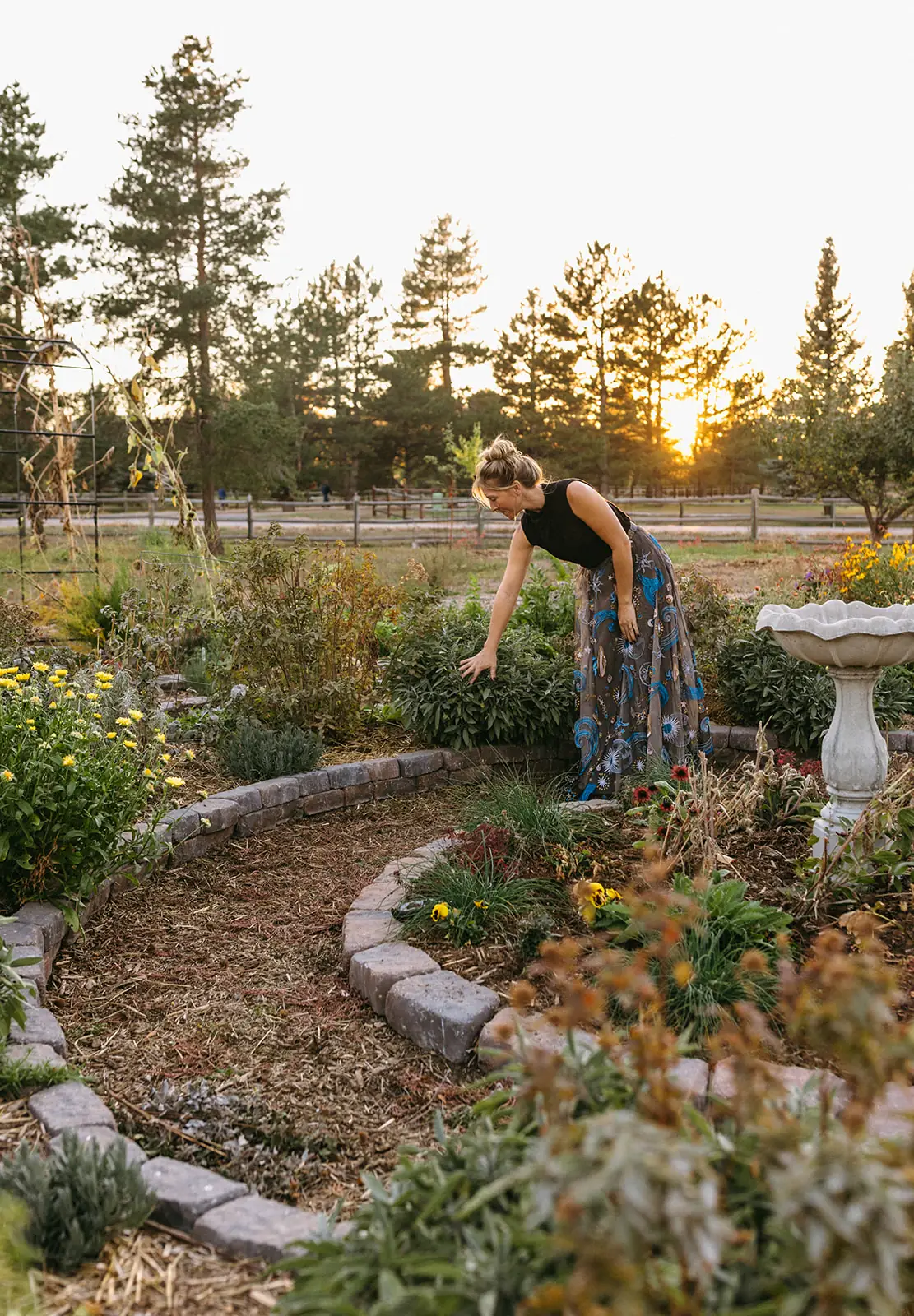
Fort Collins clay is heavy, alkaline and slow to drain, but plenty of plants love it. Prairie and Front Range natives like rabbitbrush, leadplant, serviceberry, prairie coneflower and little bluestem were born in soil like this. Pair them with tough, regionally adapted plants like wild indigo and hyssops, plant drainage-lovers on a small berm, and skip the truckloads of compost.
"What will actually grow in this clay?" is one of the first questions I hear from new Fort Collins homeowners. The good news: our clay isn't the enemy. It holds water and nutrients well, and many of our prairie plants evolved in it. The trouble usually starts when we try to grow plants from wetter, acid-soil places, or bury the clay under so much compost that it turns soggy.
Native vs regionally adapted: what's the difference?
Native plants are the ones that grew here before European settlement. Colorado State University Extension uses that definition for Colorado natives. They co-evolved with our bees, butterflies, birds and soil life, so they offer the most to wildlife, and many need little water once established.
Regionally adapted plants come from somewhere else (often the Great Plains, the Southwest or similar dry, high places around the world) but thrive in our sun, wind, alkaline soil and low rainfall with little help. CSU notes that adapted non-native plants can be mixed into a native landscape as long as their water, light and soil needs match.
I use both. Natives are the backbone of my designs, and adapted plants fill gaps: a longer bloom season, a deer-resistant edge, or a reliable plant for a tough spot. The one rule is that nothing should be invasive. Programs like Plant Select, a collaboration of Colorado State University and Denver Botanic Gardens, trial plants for exactly this: thriving in our region without escaping into wild areas.
A quick note on "native" labels: Colorado is huge, and a plant native to the Western Slope or the mountains may sulk in Fort Collins clay. For our plains and foothills, look for plants native to the Front Range and high prairie.
Shrubs for Fort Collins clay
- Rabbitbrush (Ericameria nauseosa), native. Silvery blue foliage and a blaze of yellow flowers in fall that hums with pollinators. Extremely drought tolerant and happy in clay. Cut it back hard in early spring to keep it full. One of my all-time favorites.
- Fourwing saltbush (Atriplex canescens), native. Silver-gray, evergreen-ish shrub of the plains that tolerates clay, alkaline and even salty soil. A great screen or wildlife shrub.
- Serviceberry (Amelanchier alnifolia and A. utahensis), native. White spring flowers, edible berries, great fall color and lovely winter branching.
- Leadplant (Amorpha canescens), native to the plains. A small, silvery shrub with spikes of purple flowers and orange anthers. Deep roots make it very drought tolerant once established.
- False indigo (Amorpha fruticosa), native. A larger, airy shrub with purple flower spikes. Likes a bit more water, so it's good near downspouts or in a rain garden.
- Coyote willow (Salix exigua), native. Silvery, fine-textured willow for wet clay spots, swales and rain gardens. It spreads by roots, so give it room or a natural edge.
- Three-leaf sumac (Rhus trilobata), native. Tough, aromatic shrub with red fall color and tart berries. (It also shows up in my home apothecary guide.)
Perennials and wildflowers for clay
- Hyssops (Agastache), native and regional. Anise hyssop, sunset hyssop and their cousins bloom for months and feed hummingbirds and bees. Most want good drainage, so plant them on a berm or slope in heavy clay.
- Nodding onion (Allium cernuum), native. Pink nodding flowers in summer. Ornamental alliums are adapted and just as tough.
- Wild indigo (Baptisia), regionally adapted from the Great Plains and eastern prairies. Long-lived, deep-rooted and happy in clay, with blue pea flowers in late spring and dark seed pods.
- Jones' bluestar (Amsonia jonesii), native to Colorado's Western Slope. Steel-blue spring flowers and gold fall color. It needs sharp drainage, so give it a berm or a gravel-amended spot.
- Prairie coneflower (Ratibida columnifera), native. Yellow or red-brown sombrero flowers all summer.
- Purple prairie clover (Dalea purpurea), native. Fixes nitrogen and is a bee magnet.
- Narrow-leaf coneflower (Echinacea angustifolia), native to the plains. A wilder, more drought-tolerant cousin of the garden purple coneflower.
- Goldenrod (Solidago), native. Late-season gold for pollinators. CSU lists it as growing in clay or loam. Choose clumping types for small gardens.
- Prairie smoke (Geum triflorum), native. Feathery pink seed heads in spring. CSU notes it likes moist clay or organic soil.
- Rocky Mountain penstemon (Penstemon strictus), native. Blue-purple spires in early summer, loved by bumblebees.
- Chocolate flower (Berlandiera lyrata) and Engelmann's daisy (Engelmannia peristenia), both in Plant Select's Native Front Range collection for well-drained clay, loam or sandy soil.
Grasses for clay
Native grasses are the quiet backbone of a clay garden. Their deep roots open up heavy soil over time.
- Little bluestem (Schizachyrium scoparium): blue summer, copper fall and winter.
- Blue grama (Bouteloua gracilis): Colorado's state grass, with eyelash seed heads.
- Sideoats grama (Bouteloua curtipendula): seeds dangle along one side of the stem.
- Switchgrass (Panicum virgatum): taller, airy, great for screening.
- Prairie dropseed (Sporobolus heterolepis): fine-textured mounds with a sweet scent in late summer.
Leave grasses standing through winter and cut them back in late winter. (More on that in designing a winter landscape.)
How to plant in Fort Collins clay
- Don't over-amend. Most natives prefer lean soil. Burying clay under compost can create a soggy "bathtub" where roots rot.
- Add grit, not just compost, for drainage-lovers. CSU Extension suggests mixing about 10 percent compost and 15 percent small aggregate (like pea gravel) by volume into clay for natives that need drainage.
- Plant high. A small berm, even 8 to 12 inches, gives hyssops, penstemons and bluestar the drainage they want.
- Work clay only when it's dry enough to crumble. Digging wet clay ruins its structure.
- Water to establish, then back off. Even drought-tolerant natives need regular water their first season or two.
- Mulch with gravel or shredded wood, and skip landscape fabric.
Where to buy native plants near Fort Collins
Look for the Plant Select label at local garden centers, and watch for native plant sales from the Colorado Native Plant Society and the High Plains Environmental Center. When I design and install gardens, I source plants at wholesale through local nurseries, typically 20 to 40 percent below retail for my coaching and design clients.
If you'd like a plan for your own yard, I design and install native, low-water gardens across Fort Collins and the Front Range, or I can coach you through doing it yourself with garden coaching.
Sources
- Native Herbaceous Perennials for Colorado Landscapes, Colorado State University Extension
- Native Front Range Collection, Plant Select
- Low-Water Native Plants for Colorado Gardens: Front Range and Foothills, Colorado Native Plant Society and CSU Extension
- Low Water, Low Maintenance Natives, PlantTalk Colorado
Common questions
What native plants grow well in Fort Collins clay soil?
Rabbitbrush, fourwing saltbush, serviceberry, leadplant, false indigo, coyote willow (in wet spots), prairie coneflower, purple prairie clover, goldenrod, nodding onion, little bluestem, blue grama, sideoats grama and switchgrass all handle Front Range clay well.
What is the difference between native and regionally adapted plants?
Colorado State University Extension defines a Colorado native as a plant that grew here before European settlement. Regionally adapted plants come from somewhere else, often the Great Plains or the dry West, but thrive in our climate, soil and water with little help. They're not invasive and can be planted alongside natives.
Do I need to amend clay soil for native plants?
Usually very little. Many prairie and Front Range natives thrive in clay. For plants that need drainage, CSU Extension suggests mixing about 10 percent compost and 15 percent small aggregate like pea gravel into the root zone, or planting on a small berm.