Home apothecary
Starting a home apothecary from your garden: herbs that grow in Fort Collins and simple recipes
Some links on this page are affiliate links. If you buy through them, I may earn a small commission at no extra cost to you, and you often get a discount. I only share things I use and trust.
A home apothecary is a small shelf of simple remedies made from plants you grow or gather. In Fort Collins, start with easy, drought-tolerant herbs like thyme, calendula, chamomile, lemon balm, yarrow and holy basil, then learn six base preparations: tea, tincture, oxymel, shrub, flower essence and fire cider. Each one is a template: swap in the herbs you grow.
I've always been drawn to this kind of plant wisdom, and I've learned it slowly, one jar at a time, on our two acres in north Fort Collins, and it has become one of my favorite parts of the garden year: thyme and honey for winter coughs, calendula oil for chapped hands, and fire cider made with the horseradish that has happily taken over a corner of my beds.
This guide covers what grows well here and the simple recipes I come back to most.
Please read first. I'm a Colorado Master Gardener and garden coach, not a doctor. Identify every plant with 100% certainty before using it. Start with small amounts. Talk with a healthcare professional before using herbs if you're pregnant, breastfeeding, taking medication, managing a health condition, or making remedies for children. Never give honey to babies under 12 months old.
Why grow your apothecary on the Front Range?
Our semi-arid climate, intense sun and lean, alkaline soil are a gift for many medicinal herbs. Plants like thyme, sage, oregano, lavender and yarrow are Mediterranean or prairie natives that develop more flavor and aromatic oils when they aren't pampered. Most need full sun (6 to 8 hours), well-drained soil and little water once established.
A few things to plan for in Fort Collins:
- Short season: our average last frost is around May 10 and first frost around October 1. Start annuals like tulsi and basil indoors. (See the Fort Collins planting calendar.)
- Clay soil: most herbs want drainage. Plant on a gentle mound, in a raised bed, or amend with coarse material rather than piles of compost. (More in why raised beds struggle in Colorado.)
- Wind and hail: tuck tender herbs near a fence or shrub windbreak.
- Water-loving herbs: nettle, lemon balm, marshmallow and comfrey like richer soil and more moisture. Give them the low spot or the bed near the downspout.
Herbs that grow well in Fort Collins
These are the plants I grow and use most, plus reliable choices from my 60+ Herbs for the Front Range guide.
| Herb | How it grows here | Part used | When to harvest | Simple ways to use it |
|---|---|---|---|---|
| Thyme | Perennial, full sun, drought tolerant | Leaves and flowers | Before and during flowering | Tea, honey, oxymel, steam |
| Calendula | Annual, full sun, easy from seed | Flowers | All summer, as flowers open | Infused oil and salve, tea |
| German chamomile | Annual, full sun, self-sows | Flowers | Fully open flowers, early morning | Calming tea, flower essence |
| Holy basil (tulsi) | Annual, start indoors in April | Leaves and flowering tops | Midsummer through frost | Tea, tincture |
| Lemon balm | Perennial, part shade, more water | Leaves | Before flowering | Tea, tincture, glycerite |
| Nettle | Perennial, part shade, moist soil | Young leaves | Early spring, with gloves | Mineral-rich tea, vinegar |
| Marshmallow | Perennial, moist soil | Root, leaves | Root in fall of year 2+ | Cold-infused tea |
| Horseradish | Perennial, spreads, deep roots | Root | Late fall or early spring | Fire cider, oxymel |
| Yarrow | Native perennial, full sun, dry | Flowering tops | June to September | Tea, tincture |
| Sage | Perennial, full sun, dry | Leaves | Morning, before heat | Gargle, honey, tea |
| Anise hyssop | Perennial, full sun | Leaves and flowers | Before peak bloom | Tea, honey |
| Echinacea | Perennial, full sun | Flowers, root (year 3+) | Flowers fully open | Tincture |
| Bee balm | Perennial, sun to part shade | Flowers and leaves | Peak bloom | Tea, oxymel, honey |
| Lavender (English) | Perennial, full sun, dry | Flower buds | As buds begin to open | Tea, sachets, infused oil |
| Rose (wild Rosa woodsii or rugosa) | Shrub, sun, tough | Petals, hips | Petals in June, hips after first frost | Tea, shrub, syrup |
| Elderberry | Shrub, sun, some water | Ripe berries, flowers | Late summer | Cooked syrup only |
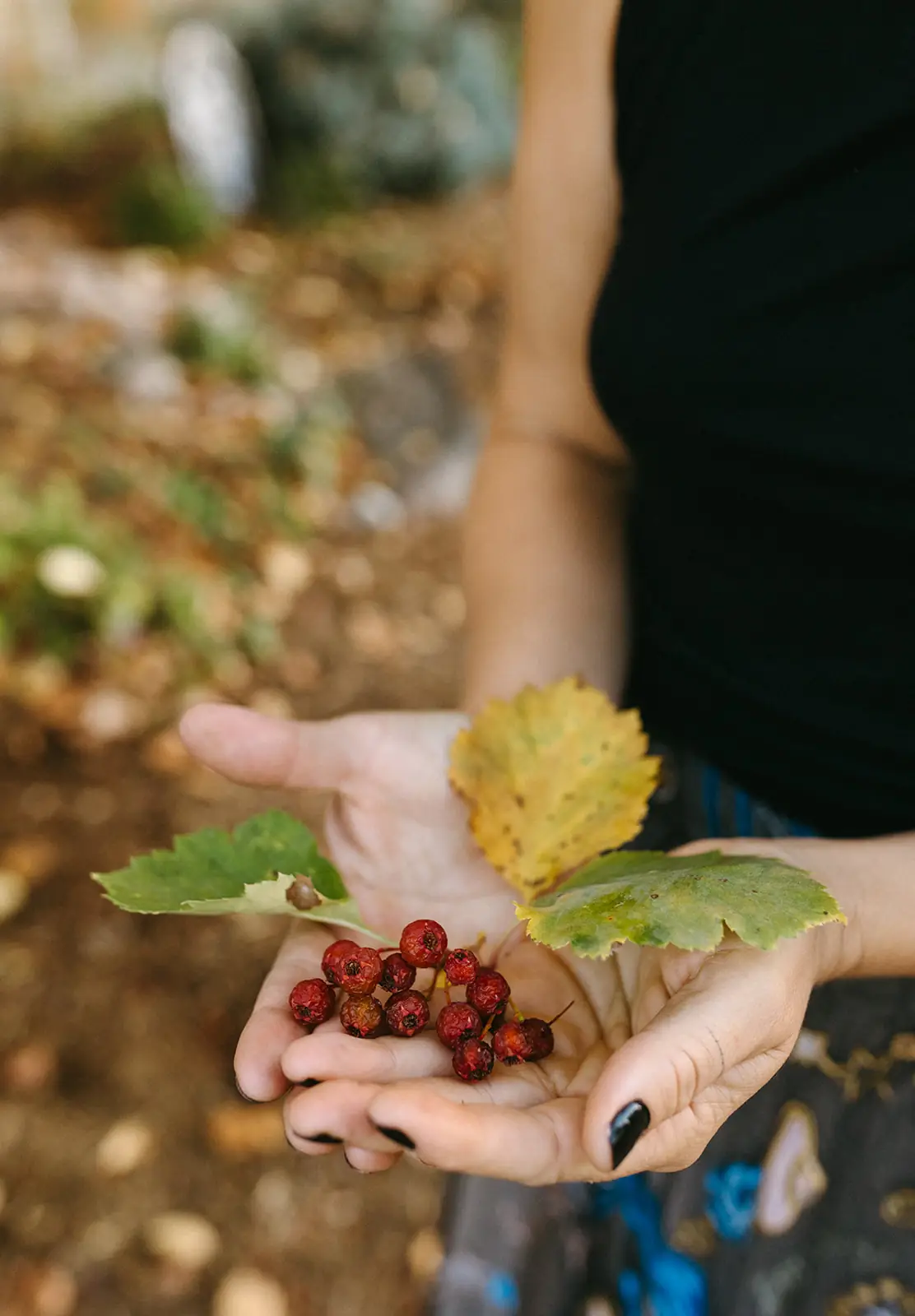
| Hawthorn | Small tree, sun, very tough | Berries, flowers | Flowers in spring, berries fall | Tea, tincture, shrub |
A few cautions: elderberries must be ripe and cooked (raw berries, stems and seeds can make you sick). Comfrey is for external use only. Mugwort, yarrow and many others aren't recommended in pregnancy. St. John's wort interacts with many medications.
Six base recipes for your home apothecary
Think of each of these as a template. Learn the method once, then plug in whatever your garden is offering that month.
1. Herbal tea (infusion and decoction)
Infusion, for leaves and flowers: pour 1 cup of just-boiled water over 1 to 2 teaspoons of dried herb (or 1 to 2 tablespoons fresh). Cover so the aromatic oils stay in, and steep 5 to 15 minutes. For a stronger overnight infusion of nettle, use about 1 ounce dried herb in a quart jar of hot water and steep 4 to 8 hours.
Decoction, for roots, bark and berries: simmer 1 to 2 tablespoons in 2 cups of water, covered, for 20 to 30 minutes, then strain.
Cold infusion, for marshmallow root: soak 1 to 2 tablespoons of chopped dried root in a cup of cool water for several hours or overnight, then strain. Cold water draws out the soothing mucilage.
Plug in: chamomile, lemon balm, tulsi, thyme, anise hyssop, nettle, rose petals, hawthorn berries (decoction).
2. Tincture (folk method)
- Fill a clean glass jar about halfway with dried herb, or loosely to the top with chopped fresh herb.
- Cover completely with 80 to 100 proof vodka, leaving no plant material poking out.
- Cap, label with the herb and date, and shake every day or two.
- After 4 to 6 weeks, strain through cheesecloth, squeeze well, and store in dark dropper bottles.
A typical adult amount is a dropperful or two in water. For an alcohol-free version, use food-grade vegetable glycerin diluted with a little water (a glycerite).
Plug in: lemon balm, tulsi, yarrow, echinacea, hawthorn.
3. Oxymel (honey and vinegar)
Oxymels are one of the oldest preparations there is, and one of the friendliest for beginners.
- Loosely fill a jar about halfway with fresh herbs, or a quarter full with dried.
- Pour in equal parts raw honey and raw apple cider vinegar to cover (warm the honey slightly so it mixes).
- Use a plastic lid or a layer of parchment under a metal lid, since vinegar corrodes metal.
- Shake daily for 2 to 4 weeks, then strain.
Take a spoonful as is, or stir it into warm water or tea.
Plug in: thyme and sage for winter throats, bee balm, rosemary, horseradish, elderberry (cooked first).
4. Shrub (drinking vinegar)
A shrub is a fruity, tangy syrup to mix with sparkling water or into cocktails. It's a lovely way to preserve a glut of fruit.
- Combine 1 cup chopped fruit with 1 cup sugar (or ¾ cup honey). Add a handful of herbs if you like.
- Mash, cover and leave in the fridge 1 to 2 days, stirring once or twice, until the fruit releases its juice.
- Strain, then stir in 1 cup apple cider or wine vinegar.
- Bottle and refrigerate. It keeps for months.
Mix about 1 tablespoon of shrub into a glass of sparkling water.
Plug in: raspberry and lemon balm, strawberry and basil, plum and thyme, rose hip and hawthorn.
5. Flower essence (sun method)
Flower essences are energetic rather than herbal: they hold the essence of a flower rather than its chemistry, and only a few drops are used.
- On a clear, sunny morning, fill a clear glass bowl with spring water.
- Gently float freshly opened flowers on the surface, touching them as little as possible (I use a leaf or twig).
- Leave the bowl in full sun for 3 to 4 hours.
- Remove the flowers and mix the water half and half with brandy. This is your mother essence.
- To make a stock bottle, add a few drops of mother essence to a 1-ounce dropper bottle of half brandy, half water.
Plug in: chamomile, calendula, yarrow, wild rose, any flower that calls to you. Only use flowers you know are non-toxic.
6. Fire cider
Fire cider is my favorite way to use horseradish. It's a spicy, warming tonic for the cold months.
- In a quart jar, combine roughly ½ cup each of freshly grated horseradish root and chopped onion, plus a head of chopped garlic, a 2- to 3-inch piece of grated ginger, a sliced hot pepper and a sliced lemon or orange. Add a sprig of rosemary or thyme if you have it.
- Cover completely with raw apple cider vinegar. Use a plastic lid or parchment under a metal one.
- Shake daily and steep 3 to 4 weeks in a cool, dark spot.
- Strain, then stir in raw honey to taste.
Take a spoonful at a time, add it to salad dressing, or use it as a zippy splash in soup.
Bonus: calendula oil and salve
Fill a jar with dried calendula flowers (dry them first, since fresh flowers can spoil oil), cover with olive or sunflower oil, and steep in a warm, sunny window for 4 to 6 weeks. Strain. To make a salve, gently warm 1 cup of the oil with about 1 ounce of beeswax until melted, then pour into tins.
Where to get seeds
Calendula, chamomile, holy basil, anise hyssop and many other apothecary herbs are easy from seed. I buy mine from Botanical Interests, a Colorado seed company (my link gives you 5% off).
Plant an apothecary or tea garden
You don't need much room. A 4 by 8 foot bed or a few big pots can hold a whole apothecary:
- The sunny, dry end: thyme, sage, lavender, yarrow, anise hyssop and echinacea.
- The middle: calendula, chamomile and tulsi, resown each spring.
- The shady, moist end or a big pot: lemon balm, nettle and marshmallow (lemon balm and mint can spread, so pots are wise).
- A corner to let it roam: horseradish, which will happily spread.
- The hedge: wild rose, elderberry or hawthorn along a fence line.
If you'd like help designing an apothecary or tea garden for your yard, that's exactly what I do in garden coaching, in person in Fort Collins or by video anywhere.
Keep your apothecary growing
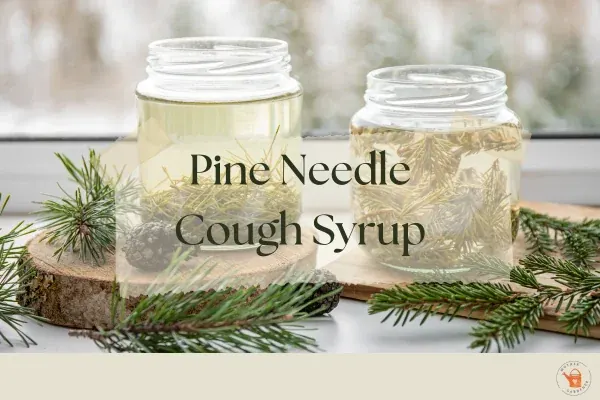
Each issue of The Gardener's Post includes a recipe card with one simple seasonal preparation, so your apothecary grows a little every month. And for a winter favorite, try my pine needle cough syrup.
Common questions
What herbs grow well in Fort Collins for a home apothecary?
Thyme, sage, oregano, lavender, yarrow, anise hyssop, echinacea, bee balm and lemon balm are reliable perennials. Calendula, chamomile and holy basil (tulsi) are easy annuals. Nettle, marshmallow and horseradish grow well with a little more water, and wild rose, hawthorn and elderberry are good shrubs.
What is an oxymel?
An oxymel is an herbal preparation made with honey and vinegar, traditionally about one part raw honey to one part apple cider vinegar, infused with herbs for 2 to 4 weeks and then strained. It's taken by the spoonful or stirred into water or tea.
How do you make a simple herbal tincture?
Fill a clean jar about halfway with dried herb (or loosely full with chopped fresh herb), cover completely with 80 to 100 proof vodka, cap it, shake it often for 4 to 6 weeks, then strain and store in a dark bottle.
What is the difference between a shrub and an oxymel?
Both use vinegar. A shrub is a fruity drinking vinegar sweetened with sugar or honey and mixed into sparkling water or cocktails. An oxymel is honey and vinegar used to carry herbs, usually taken by the spoonful.
Is it safe to make herbal remedies at home?
Simple teas and kitchen preparations from well-known herbs are generally safe for healthy adults, but identify every plant with certainty, start small, and talk with a healthcare professional first if you are pregnant, breastfeeding, taking medication or giving remedies to children.