Seasonal living
Intuitive gardening: my path to reconnecting with nature
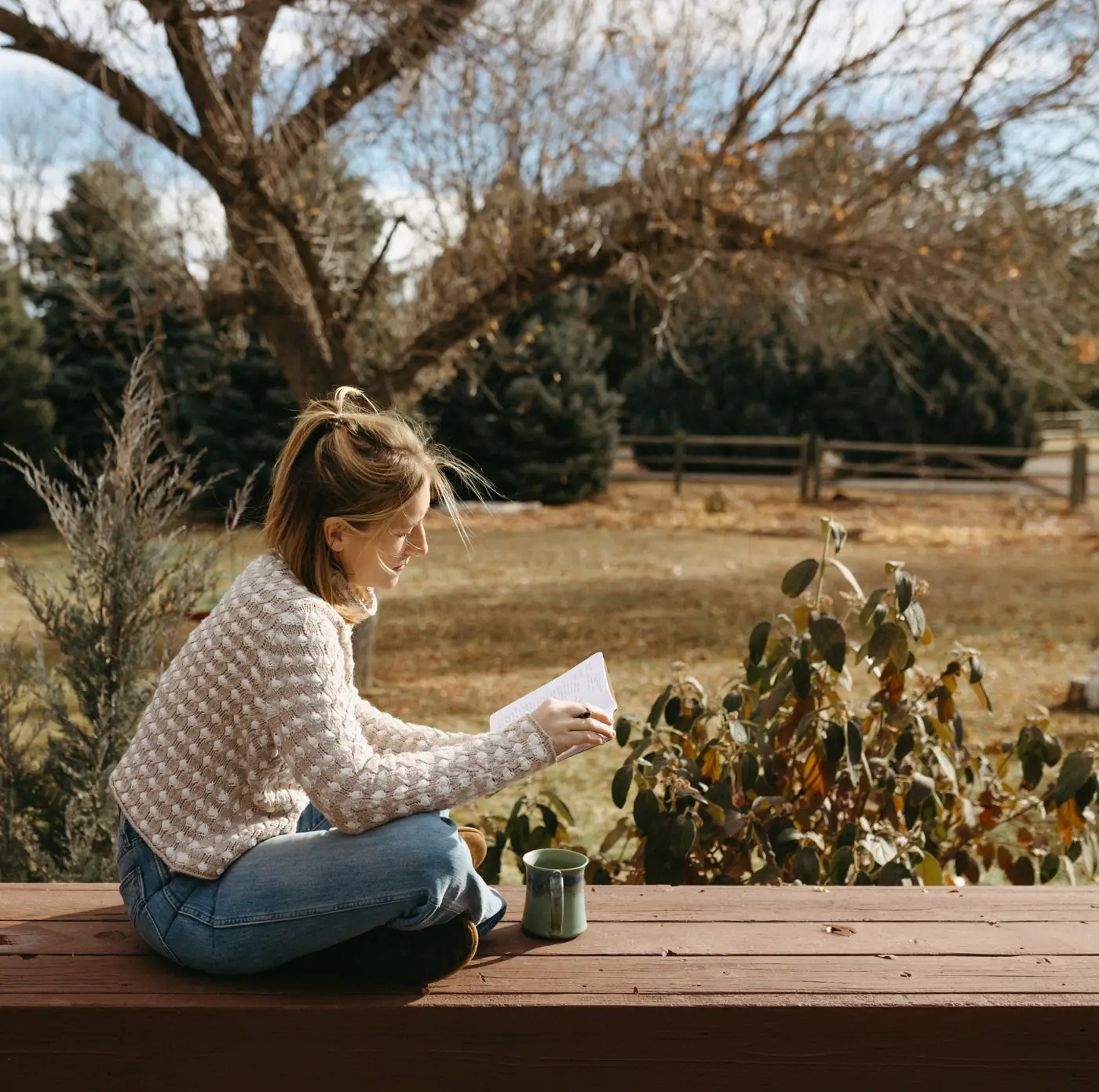
Intuitive gardening is a practice of deep listening and collaboration with the land. Instead of asking "What do I want to grow here?", it asks "What does the land need?", and works with natural rhythms rather than against them.
Reclaiming a lost connection
Some of my earliest memories are of running wild through the forests of Massachusetts: picking blueberries, searching for arrowheads, and exploring without boundaries. Those woods were a teacher for me, even if I did not realize it at the time. They taught me how to listen, to observe, and to feel a sense of belonging in the natural world.
But those woods are gone now. In their place stand rows of houses and carefully maintained lawns. The wildness that shaped my childhood has been replaced with uniformity, a pattern I now see repeated everywhere.
I often wonder: where will the rare lady slippers bloom now? What happens when children no longer know the joy of building a raft in the woods, of learning the land by heart, of understanding how to find their way home?
This disconnection from nature isn't just happening in my hometown. It's happening everywhere. And yet, nature hasn't abandoned us. The land still speaks. It's just waiting for us to remember how to listen. Our balance on this planet depends on working with the land in harmony, not in a way of control.
What is intuitive gardening?
For me, intuitive gardening is less about imposing a rigid structure on a space and more about tuning into what is already there: the soil, the plants, the energy of a place. It asks us to become guardians of the land.
This approach is rooted in both practical ecological wisdom and spiritual connection. It is about:
- Observing before acting: understanding the patterns of light, water and soil health before planting.
- Feeling the energy of a space: not just designing with logic, but sensing what is missing and what wants to thrive.
- Working with the environment: aligning with natural cycles and conditions like weather, temperature and seasonal swings, instead of forcing things that struggle.
- Honoring the intelligence of nature: recognizing that plants, soil and ecosystems hold wisdom beyond what we can measure.
- Trusting your own intuition: connecting with your inner knowing to make decisions alongside the intelligence of nature.
My journey to intuitive gardening
Many years after my childhood adventures in the woods, I traveled to Findhorn, Scotland, a community built on the belief that nature is a conscious ally.
Findhorn's gardens are legendary. Grown on rocky, inhospitable land, they flourish because the people there don't just garden in a traditional way. They communicate with the plants, the soil and the unseen forces of nature.
When I visited, I was struck by the wildness of the land. The wind was sharp and the terrain rugged, and yet this community stunned many when it first started growing food there. Even without speaking to anyone, I could feel something alive in the landscape: a presence, an energy, a deep respect for nature.
That trip also sparked a longing to understand my own ancestral connection to the land. Scotland is part of my heritage, and as I traveled through its wild places, I felt a thread pulling me back to something ancient and intuitive, a knowing that had always been within me and was being unlocked.
Perelandra is another garden I have read a great deal about. I put its practice of using muscle testing or a pendulum to test garden decisions and designs into my own garden. I was stunned by what was recommended, both the numbers of plants and where they went, but by the end of the season it all made sense. The garden was more alive, with better pest resilience, and the big patch of tulsi basil it called for turned out to be exactly what my body needed that year.
Reiki and energy work: learning to listen beyond sight
My experiences in energy work and Reiki deepened my understanding of intuitive gardening. During my Reiki training, I had a moment that changed the way I perceived the world.
After my attunement, I practiced scanning the energy field of a classmate. As I moved my hands, I could physically feel the energy above their head, not in an abstract way, but as something real and tangible, almost malleable between my fingers.
In that same class, a friend who had passed away appeared to me as a ball of light and communicated clearly with me. It was a moment of undeniable connection, a reminder that energy moves through everything: through us, through the plants, through the land itself.
That realization shifted the way I garden. I began to understand that gardens are not just spaces to be designed, but living ecosystems full of energy, intention and memory. When we tend a garden, we are in relationship with it, whether we acknowledge it or not.
Bringing intuitive gardening to Fort Collins
Intuitive gardening isn't only philosophy. It's also deeply practical, especially here in Fort Collins, Colorado, where:
- Soil health is declining from overuse of chemicals.
- Water conservation is critical in our dry climate.
- Pollinator habitat is disappearing as the city grows.
- People feel disconnected from the land they live on.
- Many gardeners are new to our conditions, having moved here from other states.
Through Mother Gardener, I help homeowners in Fort Collins restore that connection by:
- Designing gardens that thrive naturally, without heavy irrigation or synthetic fertilizers.
- Coaching gardeners to listen to their land, so they can grow food, flowers and native plants in harmony with nature.
- Creating rewilded spaces that welcome pollinators, restore biodiversity and need less maintenance.
My goal is to help people remember what it feels like to belong to the land: to experience their gardens not just as outdoor spaces, but as living, breathing, intelligent ecosystems that can heal both the earth and ourselves.
Why intuitive gardening?
- Less maintenance, more abundance: work with nature, not against it.
- Resilient landscapes for Colorado's climate: water-wise, sustainable gardening.
- A deeper connection to the land: gardening as healing and relationship.
- Support for soil, pollinators and biodiversity: a garden that gives back to the earth.
If you're ready to grow a garden that feels alive and truly yours, I'd love to work with you. I offer garden coaching season by season and garden design and installation for pollinator gardens, edible landscapes and rewilded spaces across Fort Collins and the Front Range.