Seasonal living
Winter solstice traditions: simple ways to honor the season
Key points
- The winter solstice marks the shortest day and longest night of the year in the Northern Hemisphere.
- It's a time for quiet reflection and celebrating the return of the sun's light.
- Simple traditions like candlelight, night walks and festive meals bring its magic home.
- Its roots run deep, from Yule to Stonehenge.
We've all noticed the evenings growing darker earlier, but with the winter solstice we reach the peak: the darkest night of the year. From here, the light slowly returns, day by day. I like to lean into this long night, embracing candlelight and the coziness of home. It's a time to reflect, to pause and to reconnect with the rhythms of nature.
Across cultures, this is a time of reflection, renewal and celebrating the rebirth of the sun. The Roman Saturnalia brought feasting and gift giving, and the Persian Yalda Night brings poetry and fruit. China's Dongzhi and Japan's Toji emphasize harmony and renewal, and ancient peoples aligned their monuments and rituals with the solstice sun.
One celebration rooted in my own heritage is Yule, which comes from Germanic and Norse tradition and is woven with Celtic midwinter customs. Families gathered around the hearth, shared food and stories, and burned a Yule log to drive away the darkness and welcome back the light. These rituals were deeply connected to the earth's cycles.
As we honor these traditions today, it's important to approach them with respect. Rather than adopting rituals disconnected from their origins, we can draw inspiration to create practices that resonate with our own lives.
In our fast-paced world, the solstice offers a chance to pause and ground ourselves. It reminds us that nature doesn't rush. Seeds rest beneath the frozen earth, animals hibernate, and the days lengthen slowly, in their own time.
Simple and meaningful solstice traditions
As I watch my kids grow, I want them to remember celebrating the solstice just as much as Santa Claus. Christmas is so fun for most children, but for me it can feel entangled with consumption and an overwhelm of events. December can feel as busy as July, instead of a time for rest. If you're also looking for ways to slow down this season, here are a few ways we invite the solstice in.
Embrace the darkness
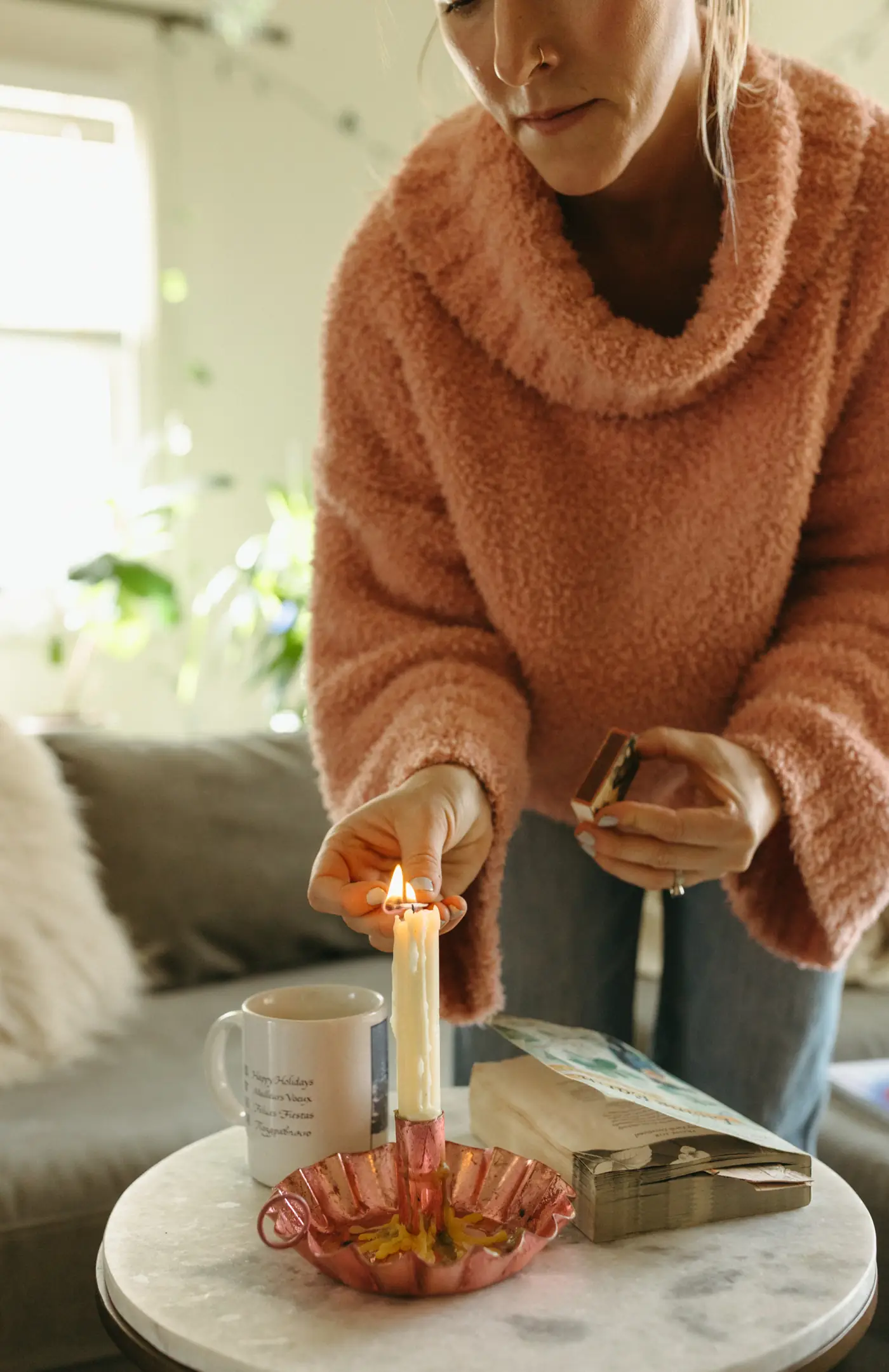
On solstice evening, try turning off the electricity and spending the night by candlelight. No phones, no TV, no overhead lights. One year we had dinner by candlelight and rolled our own beeswax candles. There were some grumbles at first, but we all warmed up to it, and everyone went to bed early and well rested. We talked about how the returning light is a powerful symbol of hope, a reminder that even in the darkest times, brighter days lie ahead.

Night walks and stargazing
Bundle up and step outside for a night walk. Under the stars, the stillness of the season comes alive: the hoot of an owl, cold air on your skin, the crunch of snow underfoot. One year we carried little candle lanterns and let our eyes adjust to the dark as we walked.
Bring the outdoors in
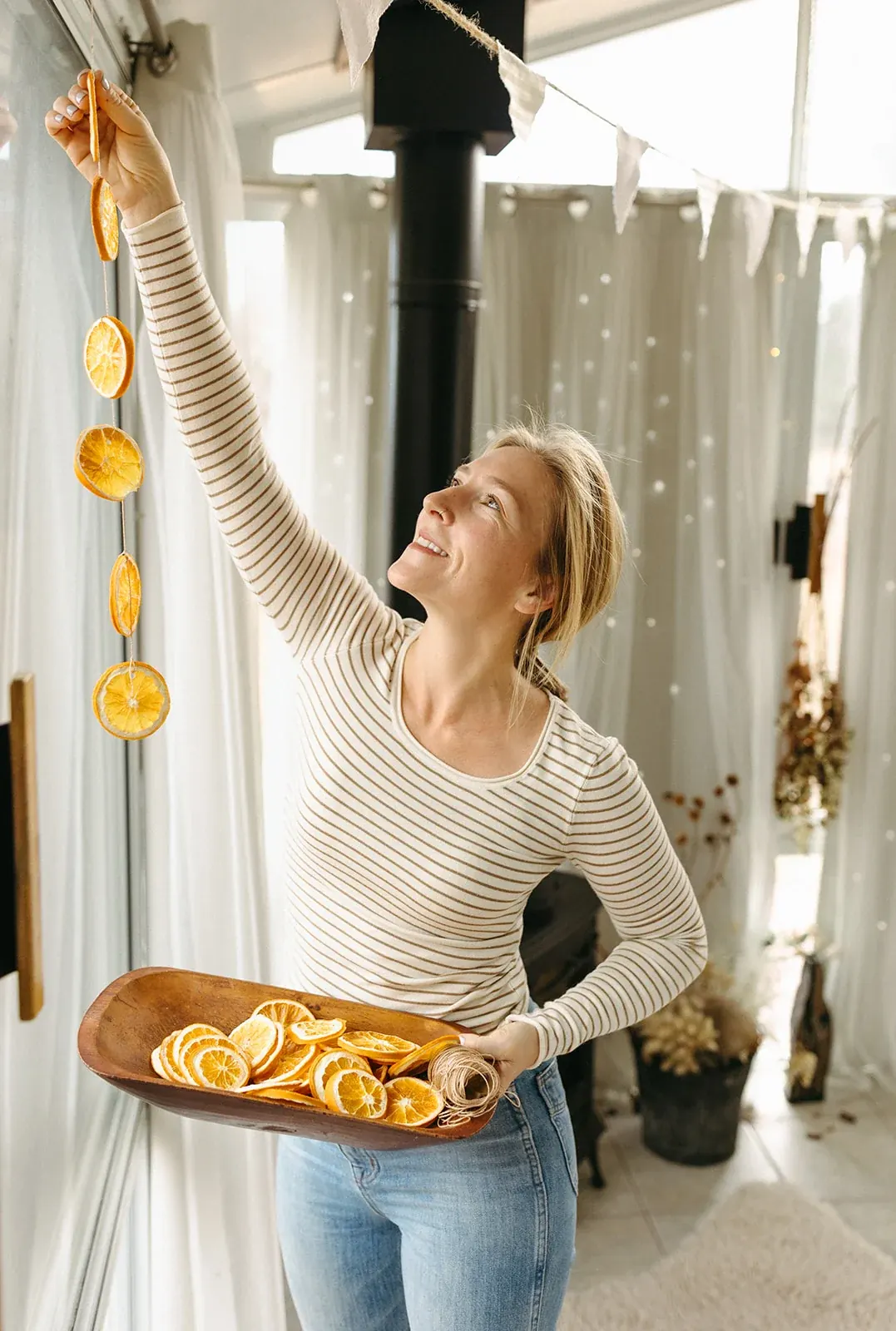
Bringing greenery into the home is part of many winter traditions. Make wreaths or garlands from evergreens, and add pinecones, dried orange slices and cinnamon sticks.
I grew up with a winter simmer pot on the stove, full of pine needles, cinnamon sticks, dried herbs and citrus peels. For me, it is the smell of the winter holidays. We also love eating pomegranates this time of year, a tradition I fondly remember from my grandmother.
The Yule log
A well-known Yule tradition of the Germanic peoples is burning the Yule log, often a large piece of oak brought into the home and burned in the hearth. It held deep meaning:
- Protection and prosperity: the burning log was believed to bring good fortune and protect the household in the year ahead.
- Light and rebirth: the fire stood for the returning sun, bringing warmth back after the longest night.
- Ashes for fertility: the ashes were often spread over fields and gardens as a blessing for abundant harvests.
Storytelling and reflection by the hearth
Gather with loved ones around a fire, a candle or a bonfire. Share stories, poems or songs that fit the season. Reflect on the past year: What was everyone's highlight? What was hard? What seeds of hope are you planting?
This midwinter night is a lovely time to write down your hopes and wishes for the year ahead. A few solstice books our family has read:
- The Return of the Light: Twelve Tales from Around the World for the Winter Solstice by Carolyn McVickar Edwards
- The Shortest Day by Susan Cooper
Outdoor solstice rituals
The solstice is a beautiful time to step outside and notice the quiet changes of the winter landscape.
- Frost patterns and animal tracks: take a slow walk and look for frost on windows, leaves and grasses, and tracks in the snow from the creatures still active in winter.
- Seasonal foraging: winter may seem bare, but pine, hawthorn berries and roots can be gathered for teas and remedies, like my pine needle cough syrup.
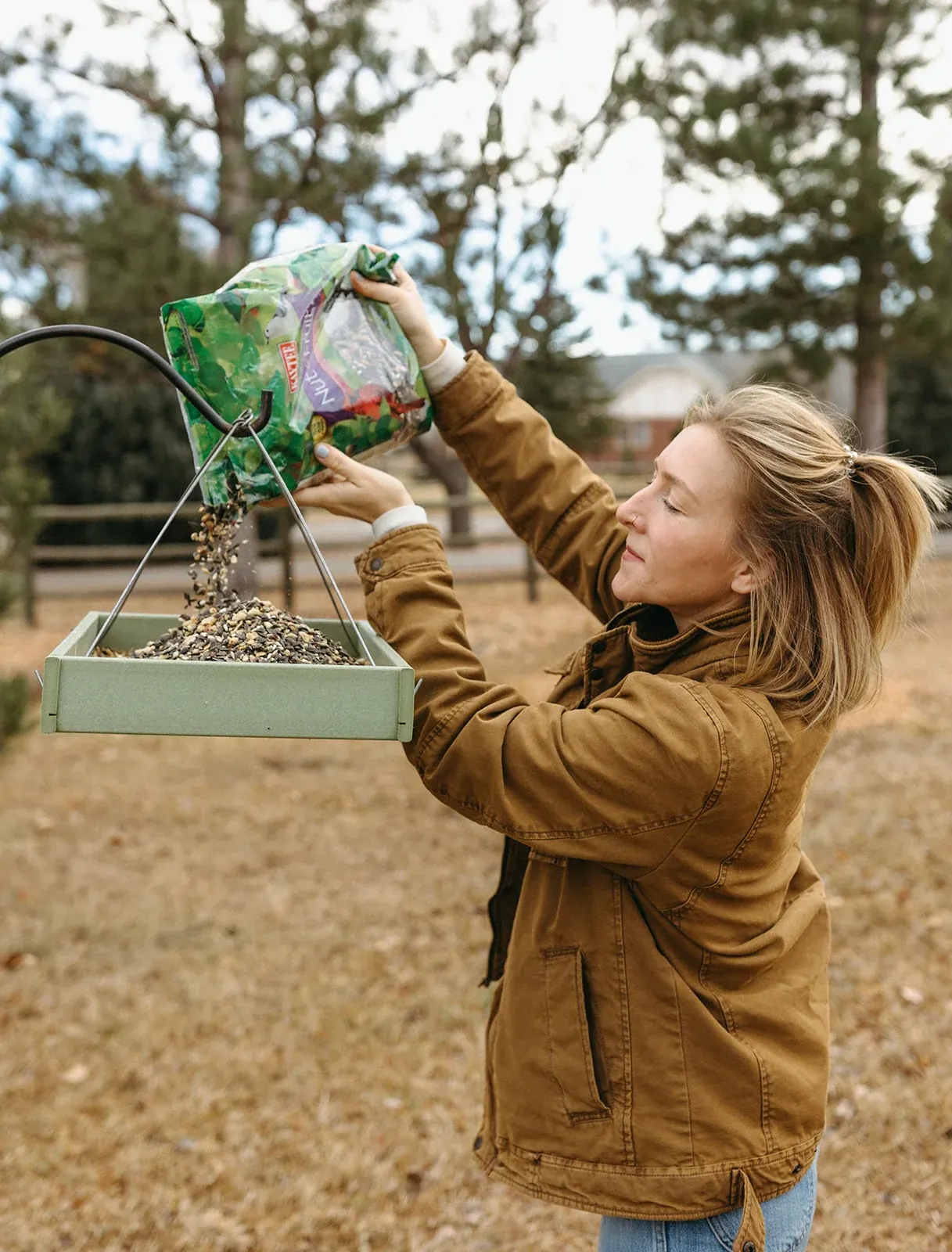
- Offerings to the land: hang birdseed ornaments for wildlife, or leave a little gathered greenery as thanks for the season's gifts.
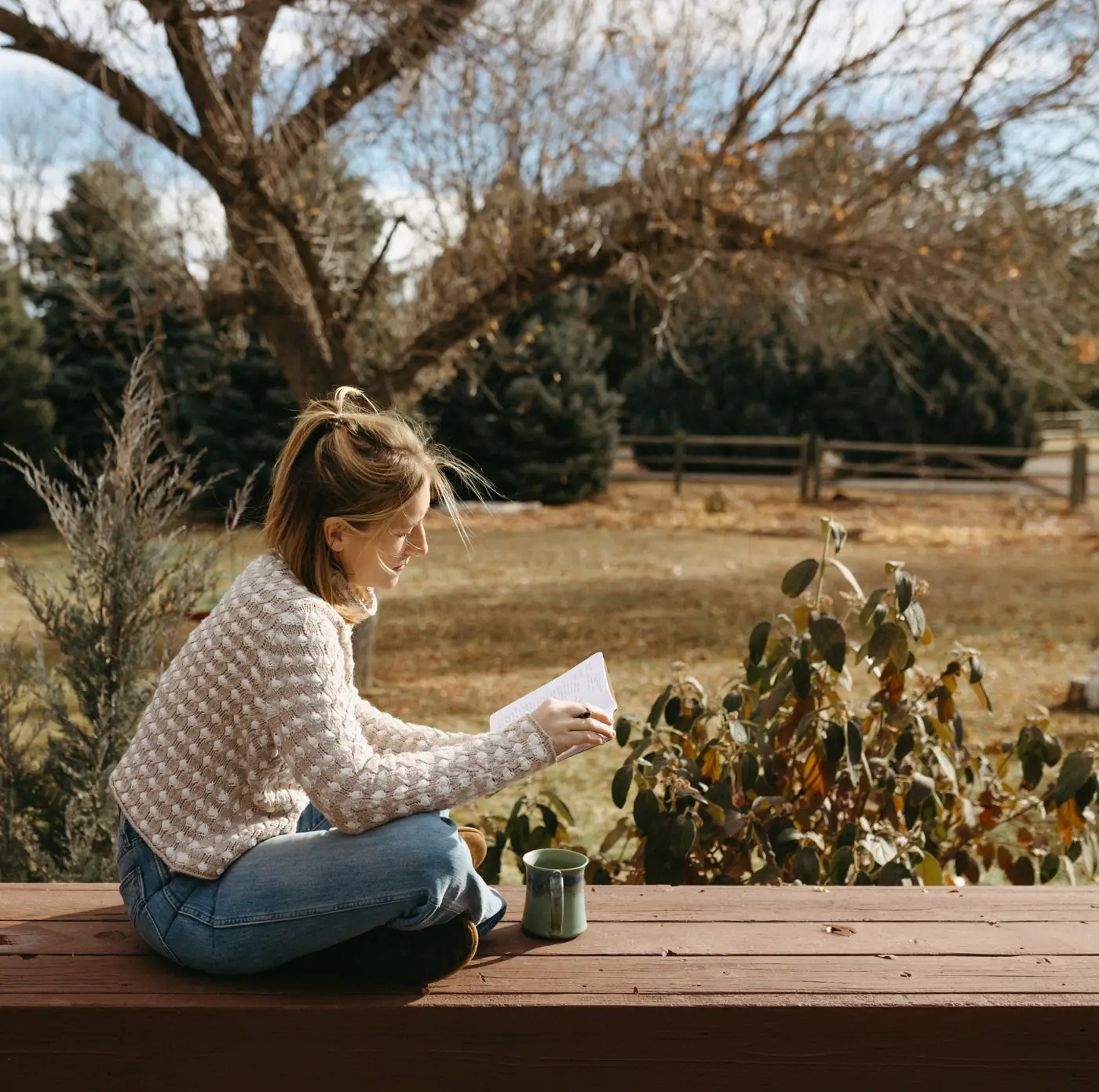
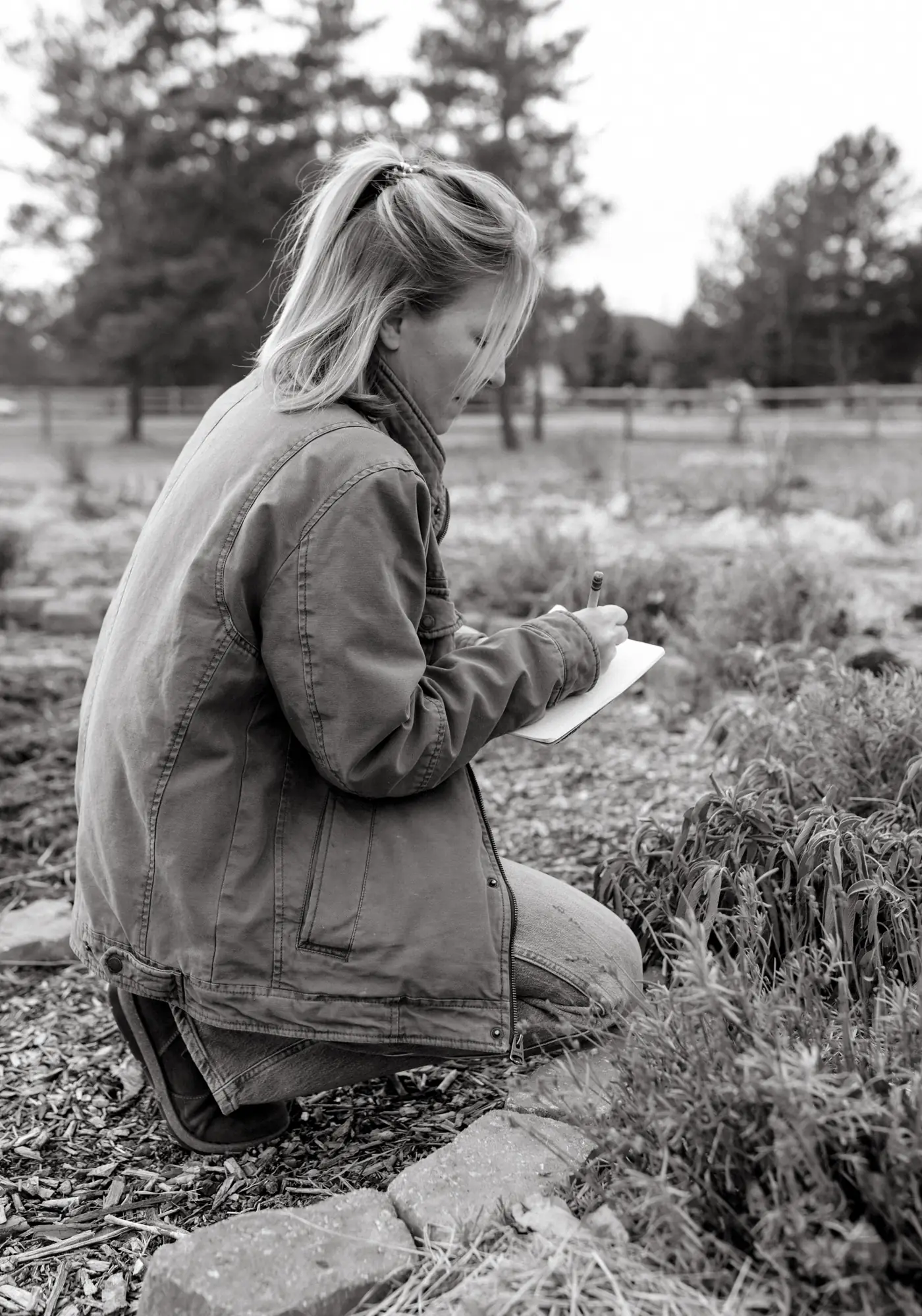
- Journaling and a garden review: sit outside and write about what you notice. Look back on your garden: what worked, what didn't, and what you dream of for next season.
- With kids, build a hibernation fort: use sticks, leaves and evergreen boughs to make a den like the animals do, or build a blanket fort indoors and snuggle in.
Gather your community
The solstice is a wonderful time to celebrate together. Host a potluck, or gather around a bonfire with a big pot of soup. In past years I've partnered with Wild Roots Studio in Fort Collins on a winter solstice workshop, making Yule logs, Swedish wreaths, herbal bitters and pine needle cough syrup.
The roots of solstice celebrations
People have marked the solstice for thousands of years, watching the sun's path with respect and wonder.
Stonehenge in England is aligned with the solstice sun, showing how important this turning point was to ancient people. For many cultures it marked the victory of light over darkness and the hope of fresh starts.
Yule has shaped many of our modern December traditions. The Yule log, Yule singing and gift giving all echo this old festival of feasting and honoring the returning sun.
Final reflections
I've spoken with so many people who find winter hard. I used to be one of them. It wasn't until I leaned in, letting myself rest, reflect and slow down, that I saw the beauty in this season. Slowing down is a radical act these days, and this is your permission, if you need it.
Reflection prompts
- What can I learn from the stillness of winter?
- How can I honor this season of rest in my own life?
- What went well this year, and where do I want to go in the next cycle?
- Which of these traditions could fit into my life?
Common questions
What is the winter solstice?
The winter solstice is the shortest day and longest night of the year in the Northern Hemisphere, usually around December 21. From then on, the days slowly grow longer, which is why so many cultures celebrate it as the return of the light.
What are simple ways to celebrate the winter solstice?
Spend the evening by candlelight, take a night walk, bring evergreens indoors, burn a Yule log or candle, share stories and intentions, and leave a small offering for the birds.