Home apothecary
Pine needle cough syrup: an easy homemade remedy


I started learning about the benefits of pine a couple of winters ago. I wanted local plants to use in winter, and I have always loved the tall Ponderosa pines on my property. They were among the first things I noticed when I moved into my neighborhood. As evergreens, they show that life goes on through cold winters, and they bring color to a bare landscape. Here in Colorado we have many kinds of pine. You might remember their smell and feel, but have you ever tried their taste?
In short: simmer about 1 cup of fresh, correctly identified pine needles in water for 20 to 30 minutes, strain, let it cool, then stir in ½ to 1 cup of raw honey. Store it in the fridge for several weeks.
Pine needle cough syrup is a traditional remedy herbalists have used for generations. Pine needles hold vitamin C, and their resin has long been valued for protecting against germs. People use pine in many forms: salves for wounds and irritated skin, syrups and teas.
The healing powers of pine
As a child, you might remember sticky sap on your hands after climbing a pine tree. I recently tried to help my girls get resin off their fingers, and it was tough! Maybe you were told not to touch pines for that reason, but I hope to help you see these regal trees in a new light.
Rich in antioxidants
Pine needles are full of vitamin C and antioxidants like flavonoids and carotenoids. Herbalists also describe pine as anti-inflammatory, antimicrobial, antispasmodic, antiseptic, antiviral, a circulatory stimulant, an expectorant and immune supportive.
Respiratory support
Compounds such as pinene may help soothe irritated airways and ease coughs and chest congestion. Pine is often combined with other herbs like goldenrod, mullein and plantain.
Identifying safe pine needles
Many true pines (the genus Pinus) are traditionally used, but you need to know exactly what you're picking before you eat any needles. Some conifers, such as yew, are poisonous and must never be used. Avoid trees with flat needles, and always check a good field guide.
Front Range pines
In Colorado's Front Range, several pine species are easy to find and traditionally used by herbalists:
- Ponderosa pine (Pinus ponderosa): common between about 6,300 and 9,500 feet. Its needles have long been brewed into vitamin C rich teas.
- Colorado pinyon pine (Pinus edulis): grows at roughly 4,500 to 7,000 feet and produces edible pine nuts. The needles can be used in teas for respiratory health.
- Limber pine (Pinus flexilis): found across many elevations. Its seeds are edible and its needles can be used like other pines.
- Lodgepole pine (Pinus contorta): common at higher elevations. Its needles can be used in tea, though it's harvested less often.
- Bristlecone pine (Pinus aristata): a high-elevation pine used in traditional herbal practice. It grows very slowly and lives for centuries, so harvest only the smallest amounts, or leave it be.
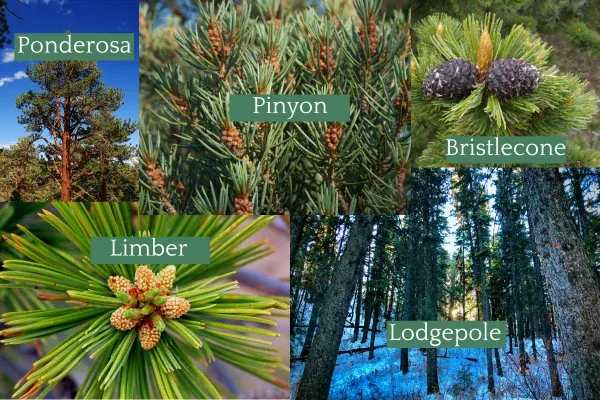
A good local resource is Trees of Colorado Field Guide by Stan Tekiela.
Harvesting tips
You can gather pine needles any time of year. Young spring needles hold more essential oils, and winter is a lovely time to gather too. Choose bright, healthy green needles and skip any that are brown, dry or damaged.
Take only what you need. Never cut down a tree. Trim a few small branch tips or gather freshly fallen green needles, so the tree stays healthy and keeps sharing its gifts for years. I also like to take a moment to thank the tree.
How to make pine needle cough syrup
This simple recipe combines the fresh scent of pine with the soothing sweetness of raw honey.
What you'll need
- A small saucepan
- A fine-mesh strainer
- A clean, sterilized glass jar with a tight lid
Ingredients
- About 1 cup fresh green pine needles, from a tree you've identified with confidence
- Water, filtered or spring water for the best flavor (enough to cover the needles)
- ½ to 1 cup raw honey, local if you can find it
Steps
- Make a strong pine tea. Bring the water and needles to a boil, then turn the heat to low and simmer for 20 to 30 minutes.
- Strain. Pour through a fine-mesh strainer to remove every needle.
- Cool, then sweeten. Let the tea cool to room temperature before adding honey, which protects the honey's enzymes. Stir until it fully dissolves into a golden syrup.
- Bottle and chill. Pour into your jar and keep it in the fridge.
How I use it
When a cold or cough comes on, I take up to 1 tablespoon three times a day. For general winter wellness, 1 to 2 teaspoons is plenty. I also like it stirred into tea, or in a winter cocktail.
Before you try it: talk with a healthcare professional before using herbal remedies, especially if you're pregnant, breastfeeding, taking medication or managing a health condition. Don't overdo it: pine is usually gentle, but a lot can upset some stomachs. Never give honey to babies under 12 months old.
For more seasonal living and gardening, follow along on my Substack, or get The Gardener's Post, where every issue includes a simple recipe card for your home apothecary.
Common questions
Can children have pine needle cough syrup?
Talk with your child's doctor first, especially if your child has any health concerns. Never give honey to babies under 12 months old.
How much pine needle syrup should I take?
A common amount is 1 to 2 teaspoons, up to 3 or 4 times a day while you have a cough. Start small, and check with a healthcare professional about what's right for you.
How do I store pine needle cough syrup?
Keep it in a clean, tightly closed glass jar in the fridge. The honey helps preserve it, and it keeps for several weeks.
Is pine needle syrup safe during pregnancy?
Skip it during pregnancy and while breastfeeding unless your doctor or midwife says otherwise. Ponderosa pine needles in particular have been linked to pregnancy loss in cattle.